Skip to content
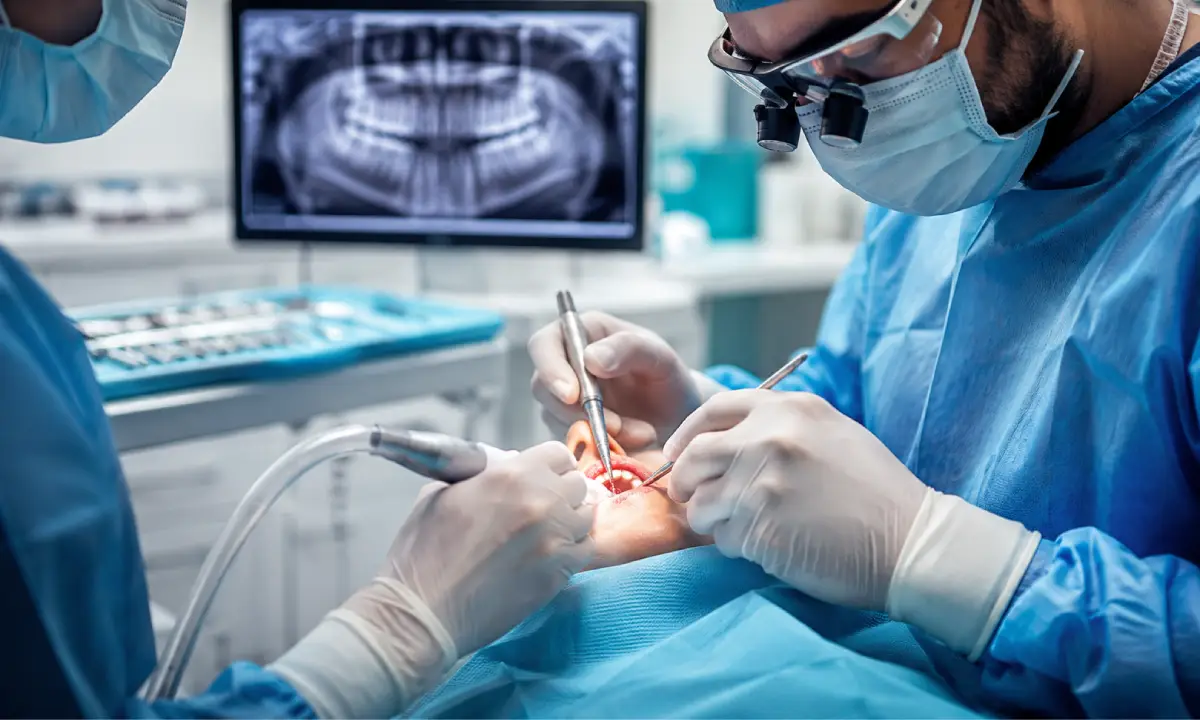
Table of Contents
Hearing that you need gum surgery can be unsettling, especially if you have already tried deep cleanings or other non-surgical treatments without lasting improvement. When gum disease progresses far enough, those earlier approaches sometimes stop being enough, and it helps to understand what the next step actually involves before deciding how to move forward with treatment.
Osseous surgery is one of the more common recommendations for advanced periodontal disease, and understanding what it involves can make the idea feel far less intimidating overall. At Periodontic Specialists by Solomon Dental, we walk patients through this procedure regularly, since knowing what to expect tends to ease a lot of the anxiety around gum surgery.
What Happens During Osseous Surgery?
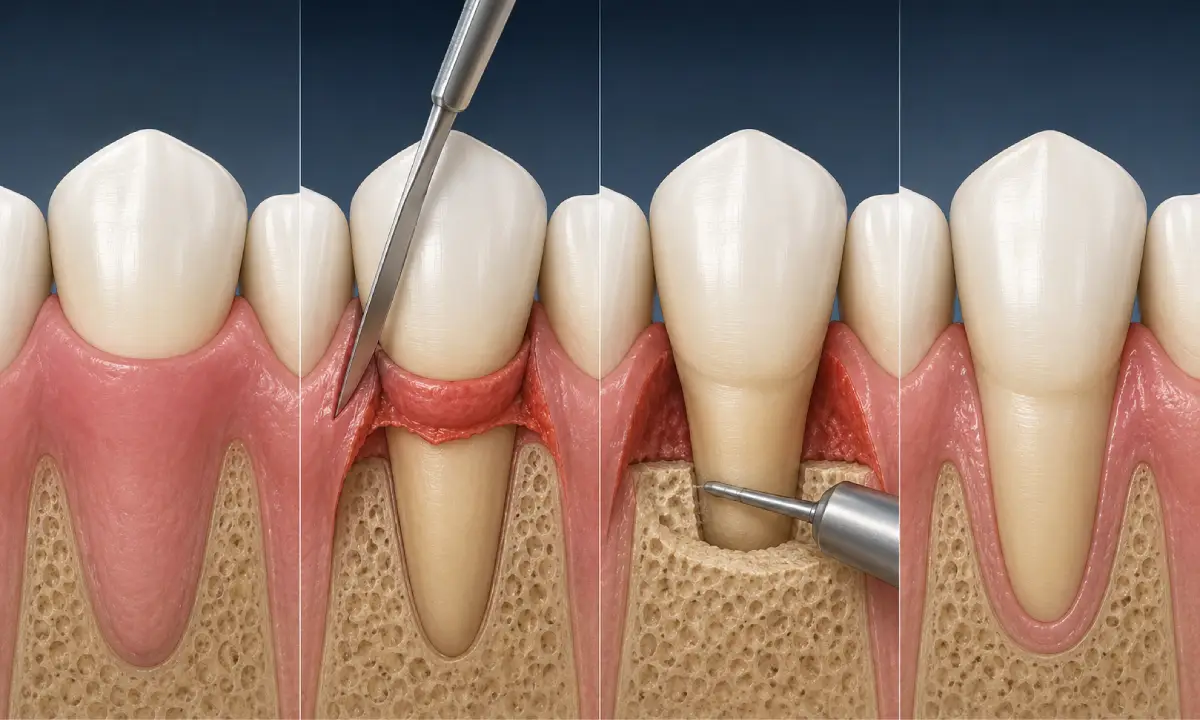
Osseous surgery involves reshaping the bone around the teeth to eliminate deep periodontal pockets, removing infected tissue, and smoothing the bone so the gums can reattach more securely.
What Osseous Surgery Actually Treats
Osseous surgery is a surgical procedure designed specifically for moderate to severe periodontal disease, particularly cases that have not responded well to non-surgical treatments like deep cleanings or scaling and root planing. When gum disease progresses, it creates deep pockets between the teeth and gums that trap bacteria, leading to further bone loss and tooth instability if left untreated over time.
This procedure addresses that problem directly by reshaping the underlying bone structure, allowing the gums to reattach more closely to the teeth and reducing the depth of those bacteria-harboring pockets. Rather than simply managing symptoms, osseous surgery works to correct the structural issue causing the ongoing infection and bone loss. Many patients arrive at this point after trying deep cleanings for months without lasting improvement, which is exactly the situation osseous surgery is designed to address once non-surgical options have been exhausted.
How the Osseous Surgery Procedure Works
During osseous surgery, small incisions are made in the gums to access the underlying bone tissue. The periodontist removes infected tissue and bacteria from the area, then smooths the remaining bone to eliminate the irregular surfaces where bacteria tend to collect. Once the site is cleaned and reshaped, the gums are repositioned so they can reattach more securely to the teeth.
In some cases, bone grafting may also be recommended alongside osseous surgery to help restore bone that has already been lost to advanced gum disease. This addition supports better long-term stability, particularly for patients who may eventually need dental implants in the treated area. The entire procedure is typically performed under local anesthesia, and most patients describe the experience as far more manageable than they initially expected once the process is explained clearly beforehand.
Osseous Surgery Recovery: What to Expect
Following osseous surgery, most patients experience some swelling, tenderness, and mild discomfort in the days immediately after the procedure, which is generally manageable with over-the-counter pain relief or medication prescribed by your periodontist. Following post-operative care instructions closely during this period supports smoother, more predictable healing.
Reduced pocket depth and improved gum health typically become noticeable within a few weeks to a few months after treatment. Full healing of the bone and gum tissue takes longer, and your periodontist will likely schedule follow-up visits to monitor progress and confirm that the area is healing as expected. This is why ongoing communication with your care team matters just as much as the procedure itself, since follow-up visits along the way often make the difference between short-term progress and results that actually last for years to come.
Why Osseous Surgery Matters for Long-Term Oral Health
Left untreated, advanced periodontal disease continues to damage the bone and tissue supporting your teeth, which can eventually lead to tooth loss if the underlying infection is never fully addressed. Osseous surgery addresses this progression directly, aiming to stabilize the affected teeth and create a healthier environment where gums can heal and reattach properly.
Because this procedure targets the structural cause of ongoing infection rather than just the surface symptoms, it tends to offer more durable results for patients with periodontal disease that has already progressed beyond what non-surgical treatment can manage.
This is particularly important for patients concerned about tooth loss, since stabilizing the bone and gum structure early can help preserve natural teeth that might otherwise be at risk as the disease continues to progress without proper treatment.
Who Is a Candidate for Osseous Surgery
Osseous surgery is generally recommended for patients with moderate to severe gum disease who have not seen sufficient improvement from non-surgical treatments. This often includes patients with persistent deep pockets, ongoing inflammation, or early signs of tooth mobility caused by bone loss around the affected teeth.
Age is less relevant than the stage of periodontal disease present, so patients ranging from their thirties through their senior years may all be reasonable candidates depending on their specific oral health history. A periodontal evaluation is the most reliable way to determine whether osseous surgery is the appropriate next step for your particular case. Patients who feel anxious about the idea of gum surgery often find that understanding the procedure in detail, along with a clear explanation of what recovery actually involves, makes the decision considerably easier.
Supporting Long-Lasting Results After Surgery
Osseous surgery tends to produce results that last for many years when paired with consistent oral hygiene and regular dental checkups. Brushing, flossing, and attending follow-up appointments all play a meaningful role in maintaining the improvements achieved through surgery and protecting the surrounding teeth.
Patients who stay consistent with these habits after treatment are generally in a stronger position to avoid the recurrence of deep pockets and ongoing bone loss, helping protect both the surgical results and their overall oral health over the long term.
Ready to Discuss Osseous Surgery for Your Gum Health
Understanding what osseous surgery actually involves can make deciding to move forward feel far more manageable. Schedule a consultation today to learn if osseous surgery is right for your oral health needs at Periodontic Specialists by Solomon Dental’s Osseous Surgery service in Mount Pleasant, SC, where your treatment plan is built around your specific stage of gum disease.
Our Team is happy to answer any questions about the procedure, recovery timeline, or whether bone grafting might be part of your treatment plan going forward. Reach out today to take the next step toward a healthier, more stable smile.