Skip to content
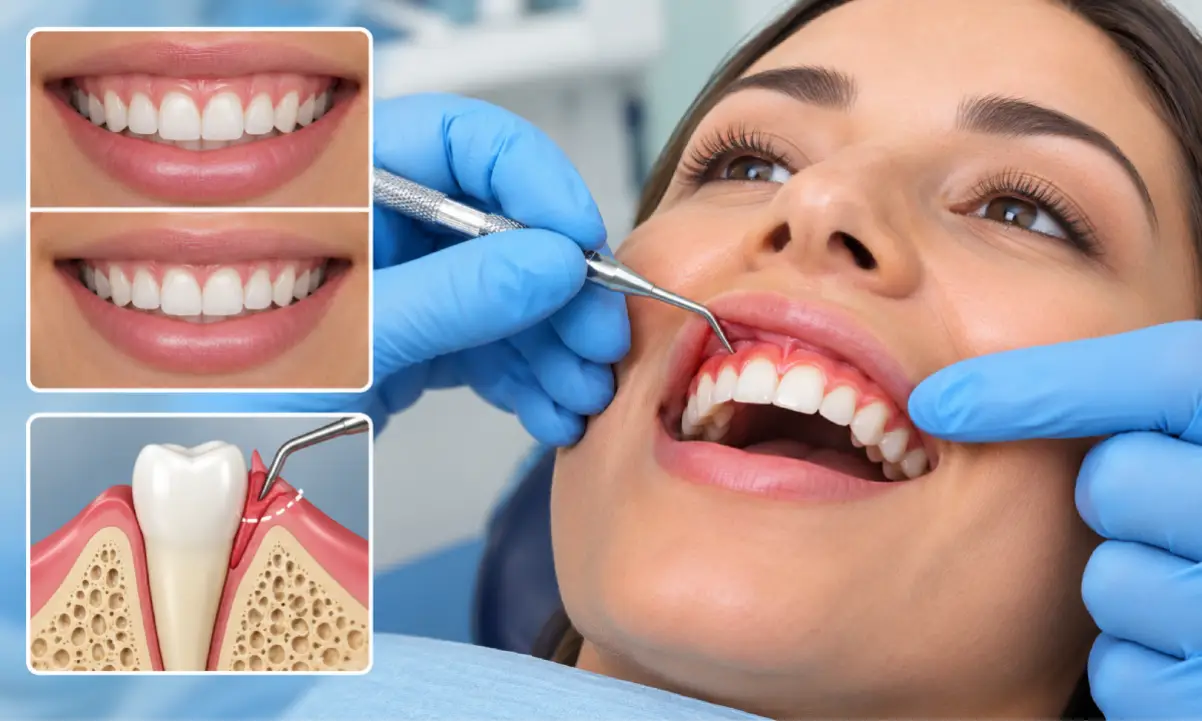
Table of Contents
A tooth that has broken below the gum line, a smile that shows more gum than you would like, or a dentist mentioning you need more tooth structure exposed before a crown can be placed: these are the kinds of moments that first introduce people to Crown Lengthening. It is not a procedure most people know about until they actually need it.
At Periodontic Specialists by Solomon Dental in Mount Pleasant, crown lengthening comes up in both restorative and cosmetic conversations, and understanding what it actually involves beforehand makes the whole process feel far less unfamiliar.
What Exactly Happens During a Crown Lengthening Procedure?
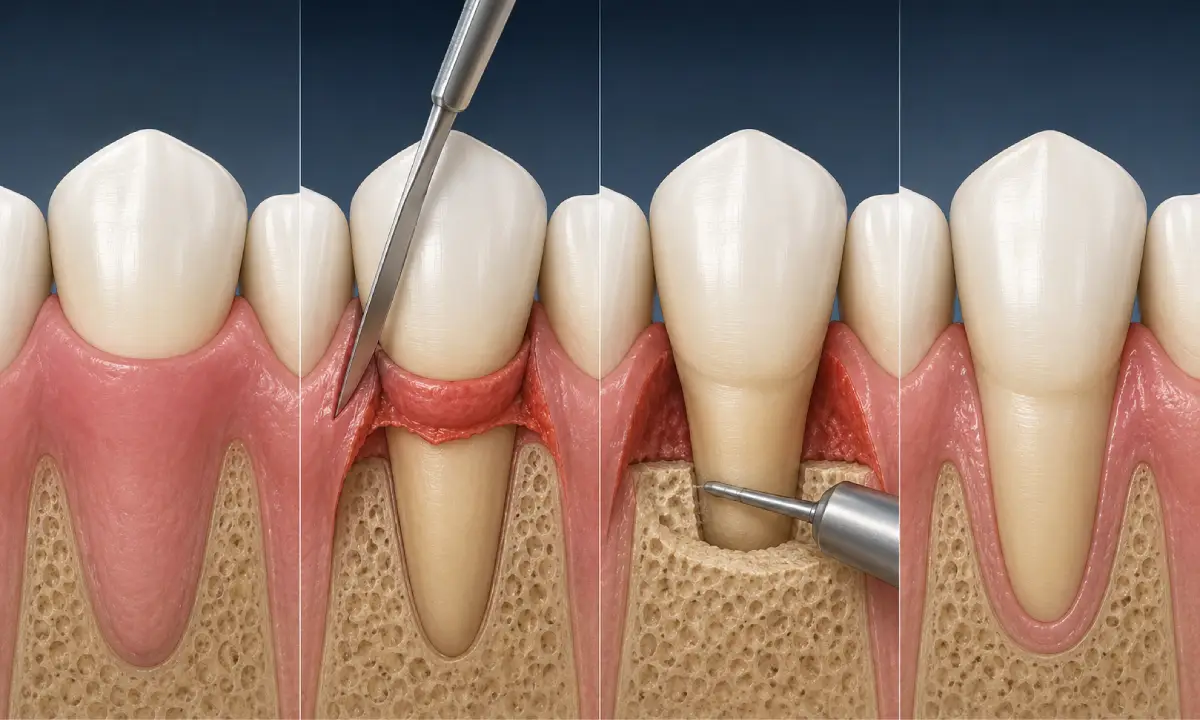
Crown lengthening involves removing gum tissue, bone, or both to expose more of the tooth’s structure, which can help prepare a damaged tooth for a restoration or improve the appearance of a gum line that covers too much of the visible portion of the teeth.
What Crown Lengthening Actually Involves
Crown lengthening is a procedure that exposes more of a tooth’s surface by removing excess gum tissue, bone, or both. This can be performed on a single tooth, several teeth, or the entire gum line, depending on your specific situation.
This matters for two fairly different reasons. Some patients need crown lengthening because a tooth is decayed or broken below the gum line, leaving insufficient structure for a crown or filling to attach properly. Others pursue the procedure specifically to address a gum line that covers more of the tooth than they would like, often described as a gummy smile.
Why Crown Lengthening Is Often Necessary
When a tooth lacks sufficient visible structure above the gum line, a crown or filling has nothing stable to attach to, making crown lengthening surgery necessary rather than optional. By exposing more of the healthy tooth structure, this procedure creates a foundation that supports a longer-lasting restoration.
For purely cosmetic cases, the goal shifts toward balancing the gum-to-tooth ratio, correcting a smile where the gums appear disproportionate to the teeth. In both situations, the underlying technique is the same, even though the motivation behind the procedure differs.
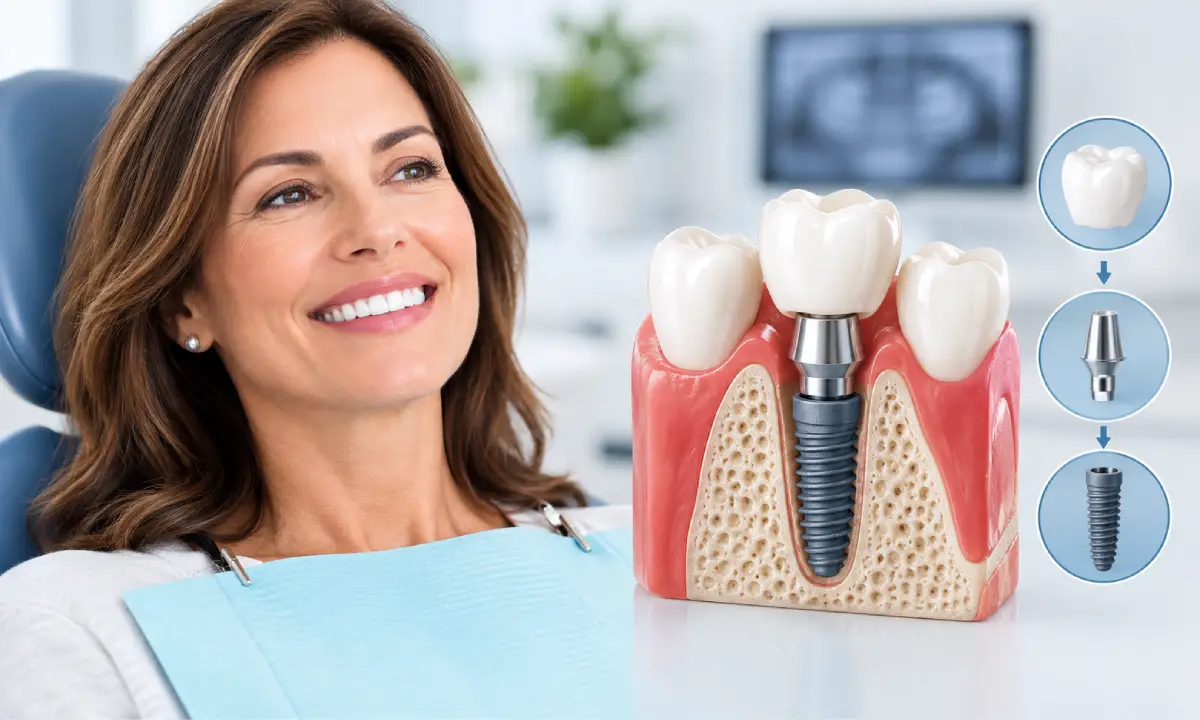
Dental implants are another common reason for dental crown lengthening, as they sometimes require a specific gum tissue profile to look natural and function properly once the final restoration is placed. This is often planned as part of a broader implant treatment rather than a standalone decision.
What Crown Lengthening Can Help With
Crown lengthening addresses a range of both restorative and cosmetic concerns. Common reasons patients pursue this procedure include:
- Preparing a tooth with insufficient structure for a crown or filling
- Correcting teeth that are decayed or broken below the gum line
- Improving the appearance of a gummy smile
- Balancing an uneven gum line across multiple teeth
- Reducing gum pockets that make oral hygiene more difficult
- Supporting the emergence profile needed for a dental implant
Because these reasons vary so much, your specific treatment plan depends entirely on which of these concerns applies to your situation.
What to Expect During the Procedure
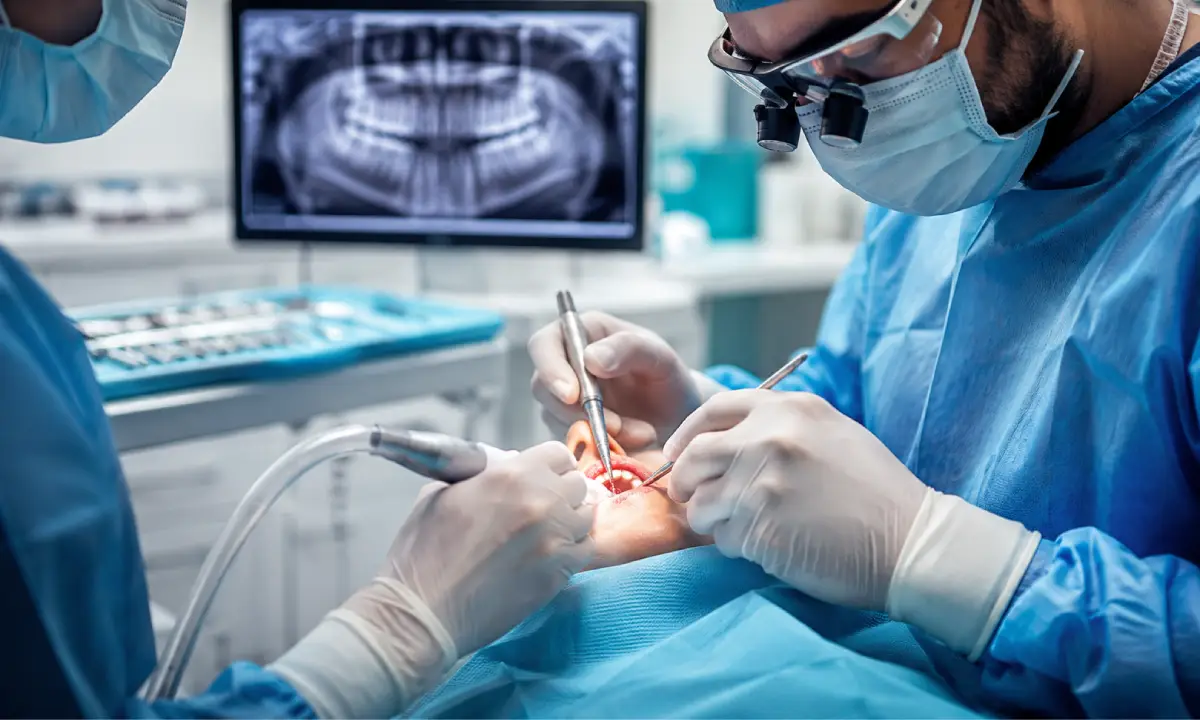
The crown lengthening procedure is typically performed under local anesthesia, with your periodontist carefully removing the necessary gum tissue, bone, or both to expose more of the tooth structure. The extent of the procedure depends on whether you are treating a single tooth or addressing a broader portion of your gum line.
Because this procedure directly affects the tissue and bone supporting your teeth, precision matters significantly, which is why it is typically performed by a periodontist with specific training in these structures rather than as a routine general dental procedure.
What Recovery Actually Looks Like
Results from crown lengthening are visible almost immediately after the procedure, since the tooth structure is exposed. Complete healing of the gum tissue, however, can take a few months, during which your gums continue to settle into their final position as part of the broader crown lengthening recovery timeline.
Following your periodontist’s aftercare instructions during this healing window supports a smoother recovery and helps ensure the final results look and function as expected. Proper oral hygiene throughout the healing process and afterward also plays a role in how long your results ultimately last.
Some mild discomfort or sensitivity is normal in the days following the procedure, though this typically resolves well before the gum tissue has fully healed. Your periodontist can provide specific guidance on managing this discomfort during your recovery period.
Who Tends to Be a Good Candidate
Crown lengthening is often appropriate for individuals with excessive gum tissue covering their teeth, those who need a tooth restored but lack sufficient structure for a crown or filling, or anyone with a visibly uneven gum line. It is also relevant for patients preparing for a dental implant that requires a specific gum tissue profile to look and function naturally.
A consultation with your periodontist helps determine whether crown lengthening is the right approach for your specific situation, since restorative and cosmetic goals can require slightly different treatment planning even though the underlying procedure is similar. This evaluation also identifies exactly how much tissue or bone needs to be addressed to achieve your specific goals.
Long-Term Results and Maintenance
Crown lengthening results tend to be long-lasting when proper oral hygiene is maintained afterward. Because the procedure permanently changes the amount of tooth structure exposed above the gum line, consistent home care and regular dental visits play an important role in protecting your results over time.
Patients preparing for a crown or filling following crown lengthening typically proceed with the restoration once the gum tissue has healed sufficiently, ensuring the final result is both durable and visually balanced.
Ready to Learn More Before Your Treatment?
Understanding what crown lengthening involves and why it might be necessary in your specific situation helps you approach treatment with realistic expectations rather than uncertainty. Whether your goal is restorative or cosmetic, this procedure plays a specific, well-defined role in supporting a healthier smile.
Schedule a consultation today to find out whether crown lengthening is the right solution to improve your smile or to prepare for restorative dental treatment. The team at Periodontic Specialists by Solomon Dental can evaluate your specific teeth and gum line to determine the right approach for you. Have questions before booking? Our contact page makes it easy to reach out in advance. We proudly offer Crown Lengthening in Mount Pleasant, SC, to patients throughout the area.