Skip to content

Table of Contents
Your dentist mentioned the words “deep cleaning,” and suddenly you have more questions than answers. What does it actually involve? Will it hurt? Is it really necessary? For many patients, the idea of going beyond a standard cleaning feels unfamiliar, and that uncertainty can make it easy to delay care, sometimes longer than is wise. The good news is that understanding the procedure makes the whole experience far less intimidating, and for people dealing with gum disease, it can genuinely be one of the most important steps toward long-term oral health.
Scaling and root planing is one of the most effective non-surgical treatments available for periodontal disease, and it is far more routine than it may sound. At Periodontic Specialists by Solomon Dental, patients in Mount Pleasant, SC, receive this treatment as a targeted, evidence-based approach to protecting the health of their gums and the teeth they support. If you have been told you need a deep cleaning, this guide will walk you through exactly what that means.
Why Would a Dentist Recommend Scaling and Root Planing Instead of a Regular Cleaning?
A standard cleaning addresses the surfaces of the teeth above the gum line, while scaling and root planing go deeper, removing built-up plaque and tartar beneath the gum line and smoothing the root surface to prevent bacteria from taking hold again. It is recommended when gum disease has progressed to a point where routine cleaning is no longer sufficient.
Understanding Scaling and Root Planing: What the Procedure Actually Does
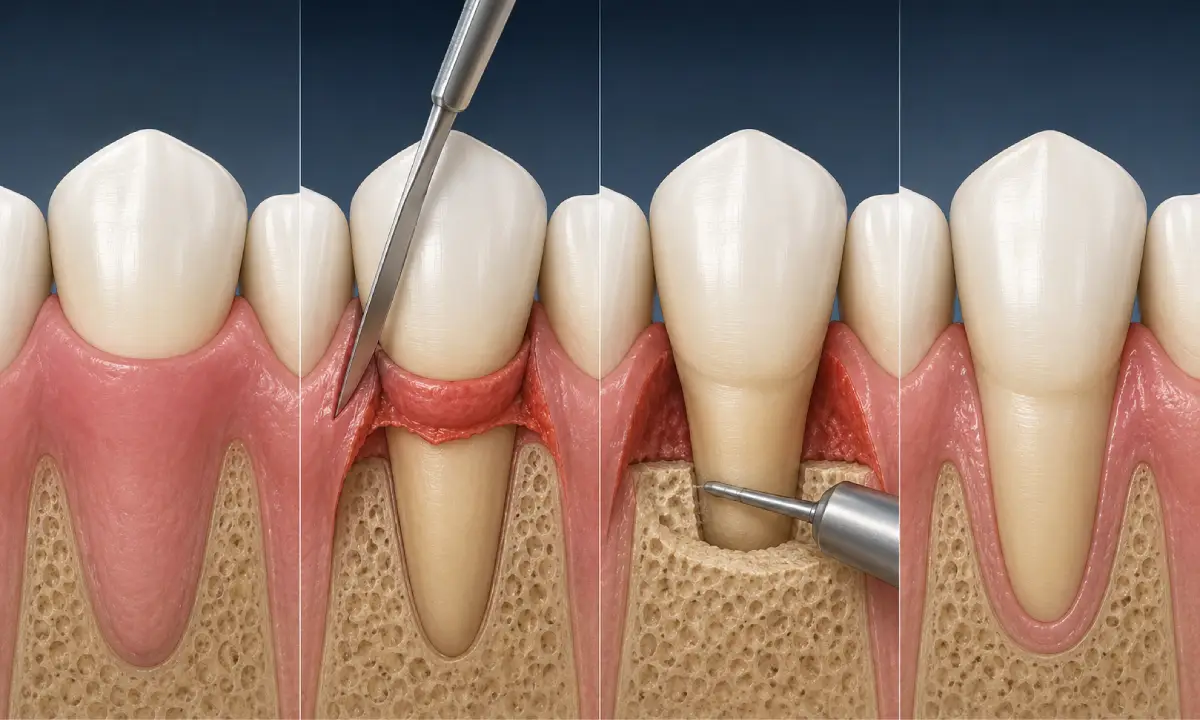
Gum disease does not develop overnight. It typically starts as gingivitis, mild inflammation caused by plaque buildup along the gum line, and can progress into periodontal disease if left untreated. At that stage, bacteria settle into the pockets between the teeth and gums, causing the tissue to pull away from the tooth and the underlying bone to weaken over time. Scaling and root planing are designed to interrupt that process before it leads to more serious damage.
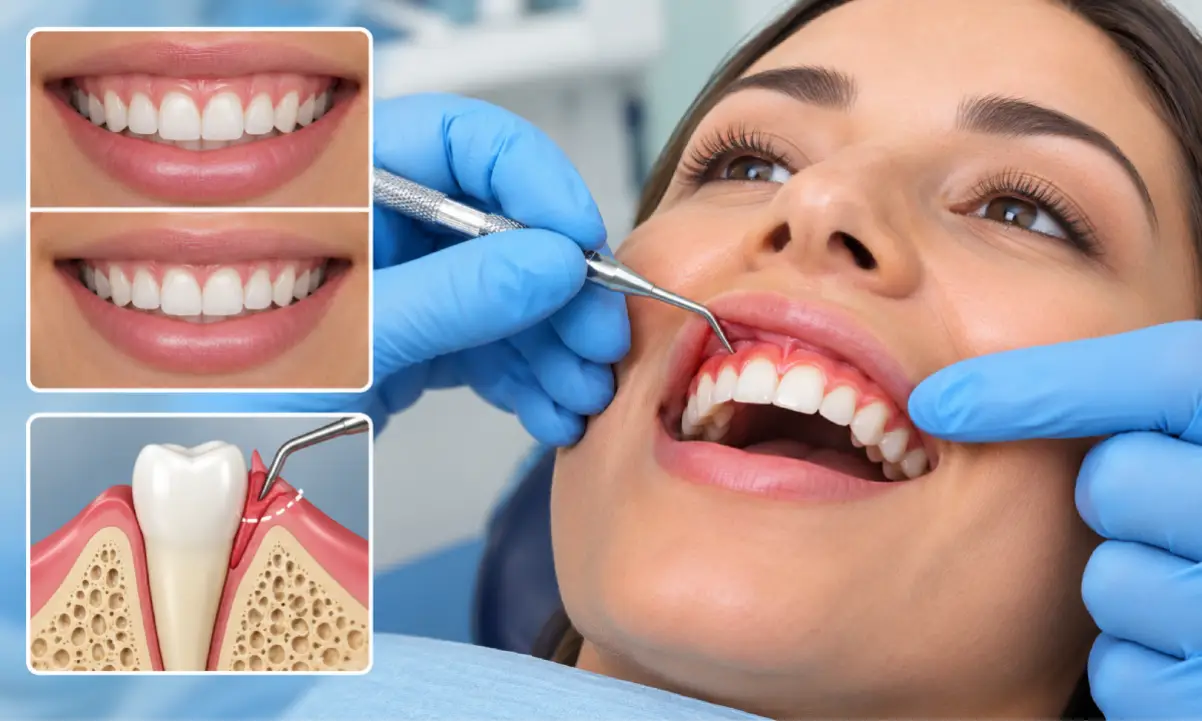
The procedure works in two connected phases. Scaling involves the careful removal of plaque and hardened tartar from tooth surfaces, including areas below the gum line that regular cleaning cannot reach. Root planing then smooths out the root surfaces of the teeth, eliminating the rough texture where bacteria tend to accumulate. Together, these steps give the gums a clean, stable surface to heal against and reattach to the tooth, reducing pocket depth and lowering the risk of further deterioration.
Who Needs This Treatment and What the Signs Look Like
One of the most common reasons patients do not seek treatment for gum disease early enough is that the early stages are often painless. The signs are easy to overlook or attribute to other causes. That is why understanding what to watch for matters.
Common indicators that scaling and root planing may be needed include:
- Gums that appear red, swollen, or feel tender
- Bleeding when brushing or flossing
- Persistent bad breath that does not resolve with regular brushing
- Gums that appear to be pulling back from the teeth
- Increased sensitivity along the gum line
- Teeth that feel slightly loose or have shifted
If you are experiencing any of these, a periodontal evaluation can determine whether deep cleaning is appropriate. Not every patient with these symptoms will need scaling and root planing, but ignoring them increases the likelihood that a more involved intervention will become necessary later.
What to Expect During and After the Procedure
Patients often approach this treatment with more anxiety than the procedure warrants. Knowing what actually happens during the appointment can make a significant difference. The area being treated is typically numbed with a local anesthetic before the procedure begins, so discomfort during the cleaning itself is minimal for most patients. Depending on how many areas of the mouth are involved, the treatment may be completed in one visit or divided into two visits, with each side of the mouth treated separately. Your periodontist will determine the most practical approach based on your specific situation.
After the procedure, it is normal to experience some tenderness and mild sensitivity for a few days. The gums may feel slightly sore, and the teeth may be more sensitive to temperature. These effects settle down as healing progresses. Most patients find that over-the-counter pain relief is more than adequate during recovery, and the discomfort is short-lived compared to the long-term benefit of the treatment.
The Benefits That Go Beyond Cleaner Teeth
It is easy to frame scaling and root planing purely as a corrective treatment, something done to address a problem. But the benefits extend beyond simply stopping gum disease in its tracks. Treating the bacterial buildup that drives periodontal disease also reduces chronic inflammation in the mouth, which has been connected in research to broader health concerns, including cardiovascular disease and diabetes management.
The procedure also addresses bad breath at its source. Persistent halitosis is frequently caused by bacteria living below the gum line, not by the surfaces patients can reach with a toothbrush. Removing that bacterial load often produces a noticeable improvement that mouthwash alone cannot match. For patients at the earlier stages of gum disease, scaling and root planing can halt progression entirely without the need for surgical intervention.
Take the Next Step Toward Healthier Gums
Periodontic Specialists by Solomon Dental specializes in exactly this kind of care, offering patients in Mount Pleasant, SC, a thorough, patient-centered approach to periodontal treatment. The team takes the time to explain what is happening, what the treatment involves, and what realistic outcomes look like, so you can make decisions from a place of clarity rather than uncertainty.
Book Your Deep Cleaning Consultation Today and take a straightforward step toward protecting your gum health for the long term. Scaling and root planing is not something to dread. For many patients, it is simply the treatment that gets their oral health back on solid ground and keeps it there.