Skip to content
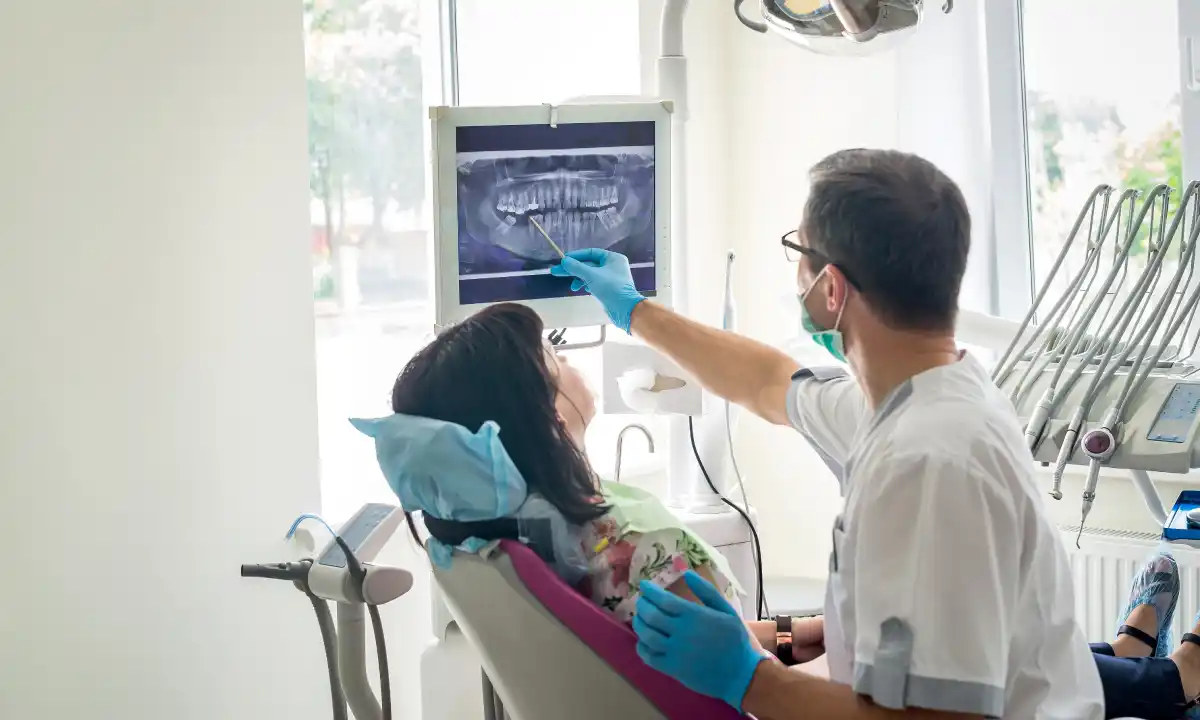
Table of Contents
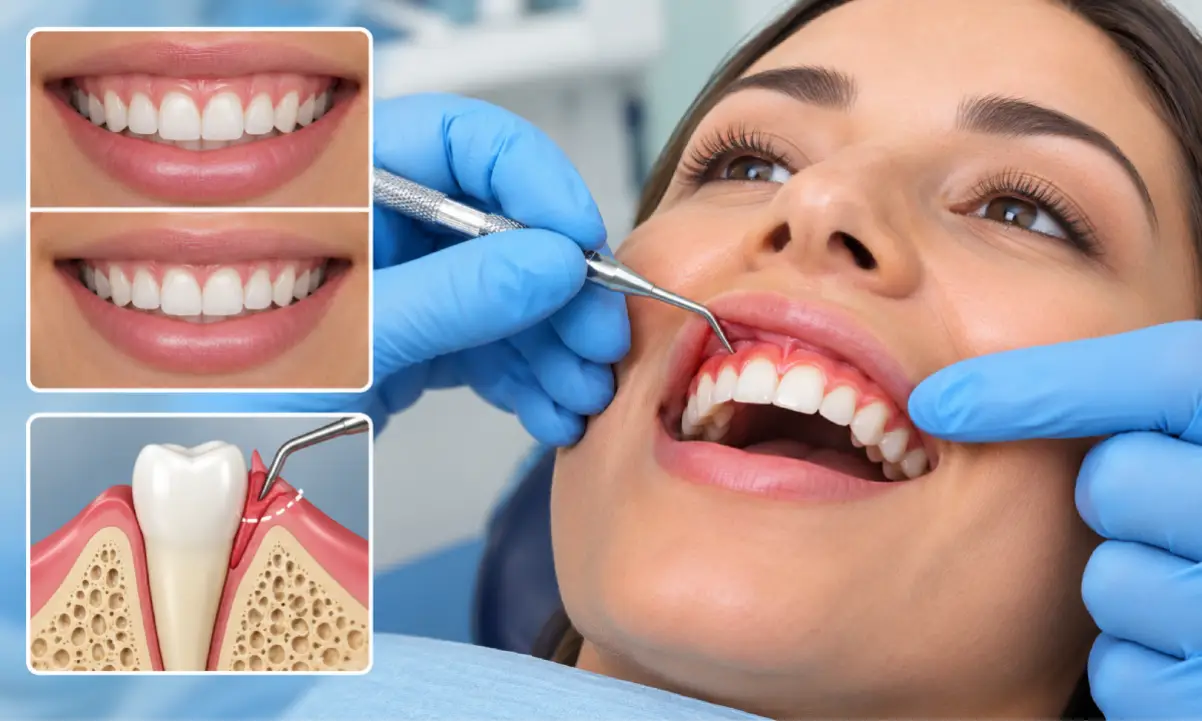
Bleeding gums, persistent bad breath, and gum recession are often early warning signs of periodontal disease. Many people assume these symptoms are minor or temporary, but as gum disease progresses, it can affect the bone that supports your teeth. At this stage, routine dental cleanings may no longer be enough to restore oral health.
This is where advanced periodontal treatments come into focus. At Periodontic Specialists by Solomon Dental, treatments such as osseous surgery are used to address severe gum disease by targeting the infection beneath the gumline and restoring a healthier environment around the teeth. Understanding when this procedure becomes necessary can help patients make informed decisions about protecting their smile.
When is osseous surgery necessary for gum disease?
Osseous surgery is recommended when advanced periodontal disease creates deep pockets around teeth that cannot be effectively treated with non-surgical methods, such as deep cleaning.
Understanding Osseous Surgery and Its Role in Treating Advanced Gum Disease
Osseous surgery is a periodontal procedure used to treat advanced gum disease by reshaping and cleaning the bone surrounding the teeth. As periodontal disease progresses, bacteria can destroy gum tissue and create deep pockets between the teeth and gums. These pockets trap plaque and bacteria that are difficult to remove through brushing or standard dental cleanings.
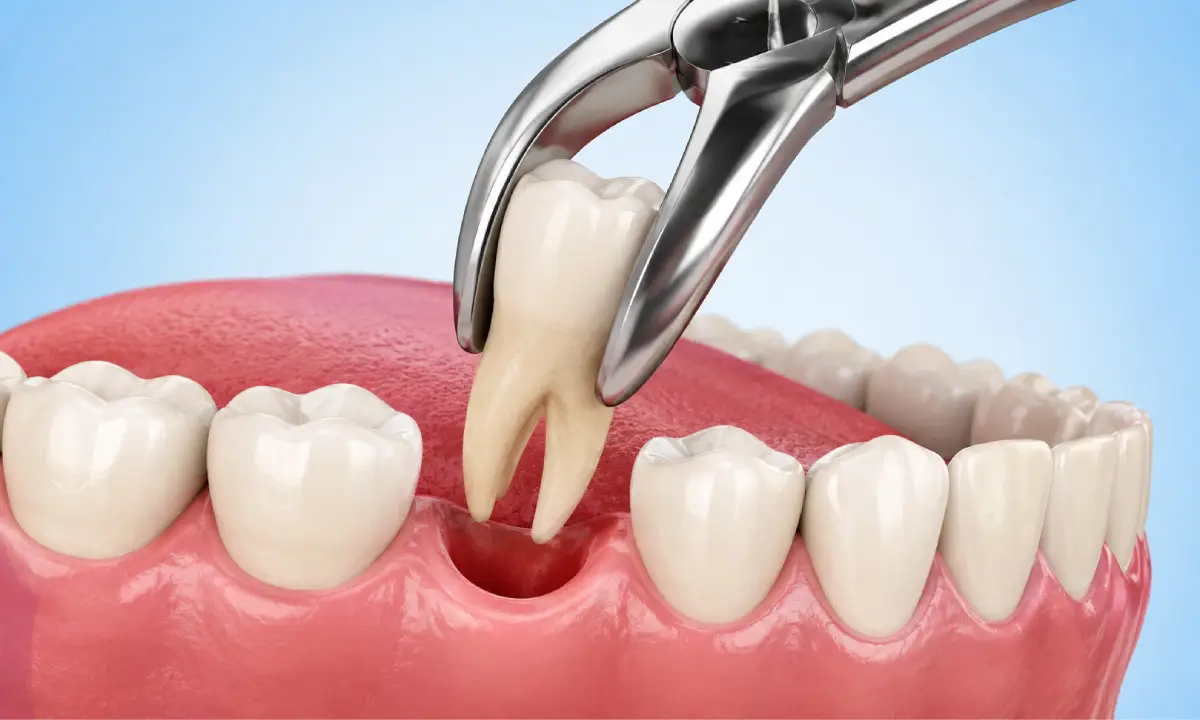
When these pockets become too deep, infection can spread to the bone that supports the teeth. Osseous surgery for periodontal disease addresses this problem by allowing the periodontist to access the affected area directly. During the procedure, infected tissue and bacteria are removed, and the bone is reshaped so the gums can reattach more securely.
This treatment is often recommended when non-surgical approaches such as scaling and root planing are no longer sufficient. By addressing the root of the infection, osseous surgery can help prevent further bone loss and reduce the risk of tooth loss.
How the Osseous Surgery Procedure Works
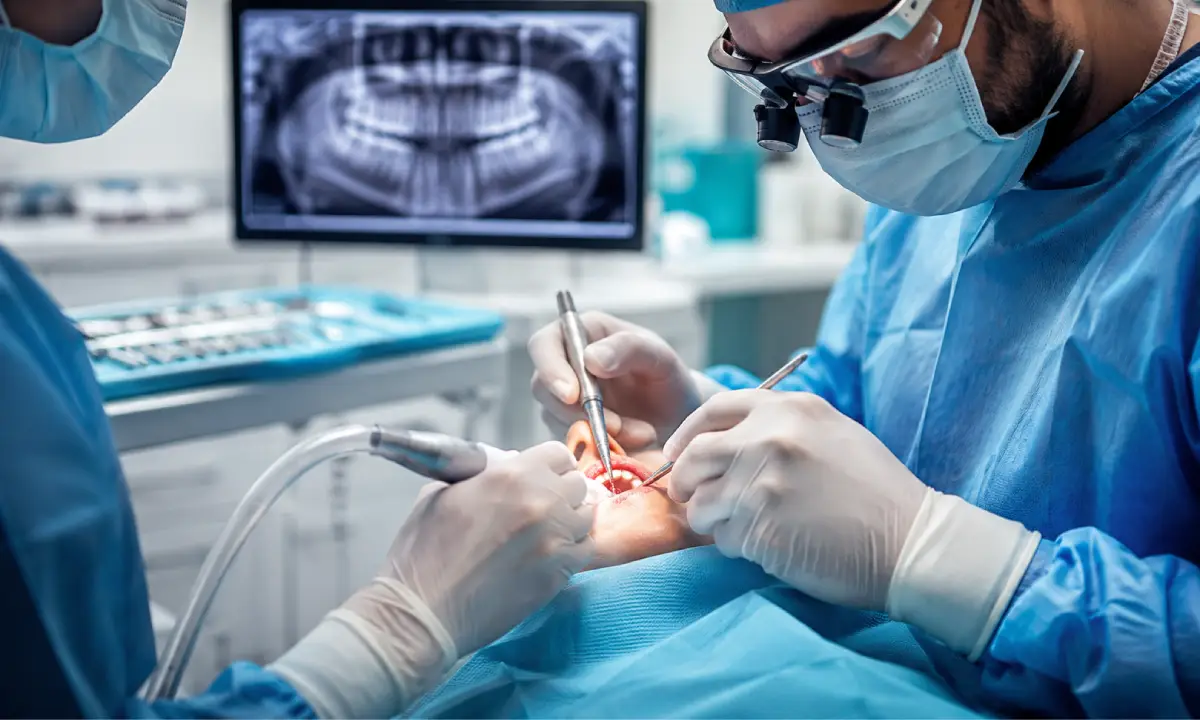
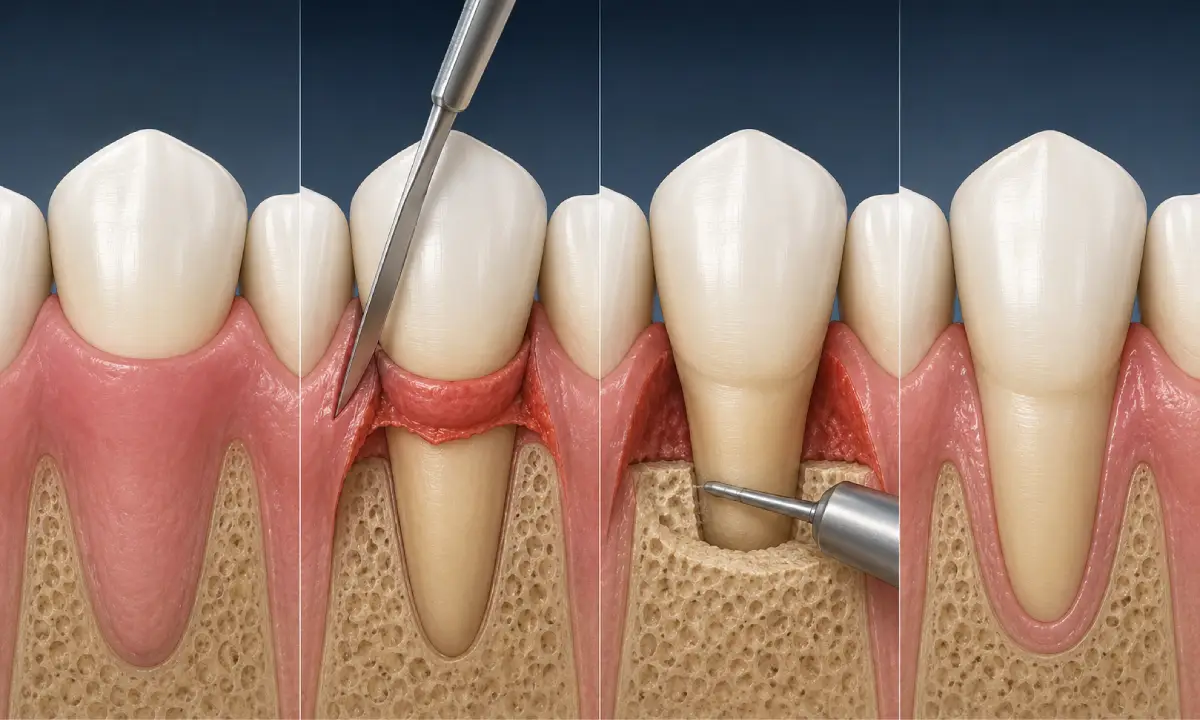
The osseous surgery procedure is carefully designed to remove infection while restoring healthy gum and bone structure. The process typically begins with local anesthesia to ensure the patient remains comfortable during treatment. The periodontist makes small incisions in the gum tissue to gently lift the gums away from the teeth. This allows direct access to the bone and infected areas beneath the gums. Bacteria, plaque deposits, and damaged tissue are removed from the area, creating a cleaner environment for healing.
After the infected material is cleared, the bone surrounding the teeth is reshaped. This step is often referred to as dental bone reshaping surgery. Smoothing the bone reduces irregular surfaces where bacteria can accumulate and allows the gum tissue to fit more closely around the teeth. Once the area has been cleaned and reshaped, the gums are repositioned and secured with small sutures. Over time, the tissue heals and reattaches to the teeth, helping reduce pocket depth and improve gum health.
Osseous Surgery vs Deep Cleaning for Periodontal Disease
One of the most common questions patients ask is whether surgery is truly necessary or if non surgical treatments can still work. In the early stages of periodontal disease, dentists often recommend scaling and root planing, sometimes referred to as deep cleaning. This treatment removes plaque and bacteria from beneath the gumline and can slow the progression of gum disease.
However, when pockets deepen and bone damage begins to develop, deep cleaning versus osseous surgery becomes an important consideration. Deep cleaning may no longer be able to reach bacteria located deep within the gum pockets or irregular bone surfaces. At this stage, surgical access allows periodontists to remove infection more effectively. By reshaping the bone and eliminating bacterial hiding places, osseous surgery provides a more comprehensive solution for severe gum disease.
Important Factors to Consider Before Osseous Surgery
Patients considering osseous surgery in Mount Pleasant, SC, often want to understand what the procedure involves and whether it is truly necessary. Several factors help determine whether surgery is recommended.
The depth of gum pockets is one key indicator. Healthy gums usually form shallow pockets around the teeth, typically measuring between one and three millimeters. When gum disease progresses, these pockets can deepen significantly, creating areas where bacteria thrive.
Bone loss is another factor. If periodontal disease has already damaged the bone supporting the teeth, surgery may be needed to stabilize the area and prevent further deterioration.
Overall oral health and lifestyle habits also play a role in treatment success. Patients who maintain good oral hygiene and attend regular dental checkups tend to experience better long-term results after periodontal procedures.
A consultation with a periodontist helps determine the most appropriate treatment plan based on these factors.
Oral Health Benefits of Osseous Surgery
The goal of osseous surgery for periodontal disease is to restore a healthier foundation for the teeth. By addressing infection and reshaping the bone, the procedure can help stabilize the structures that support your smile. Reducing pocket depth is one of the most important benefits. Shallower pockets make it easier to maintain oral hygiene through brushing and flossing, reducing the likelihood of future infection.
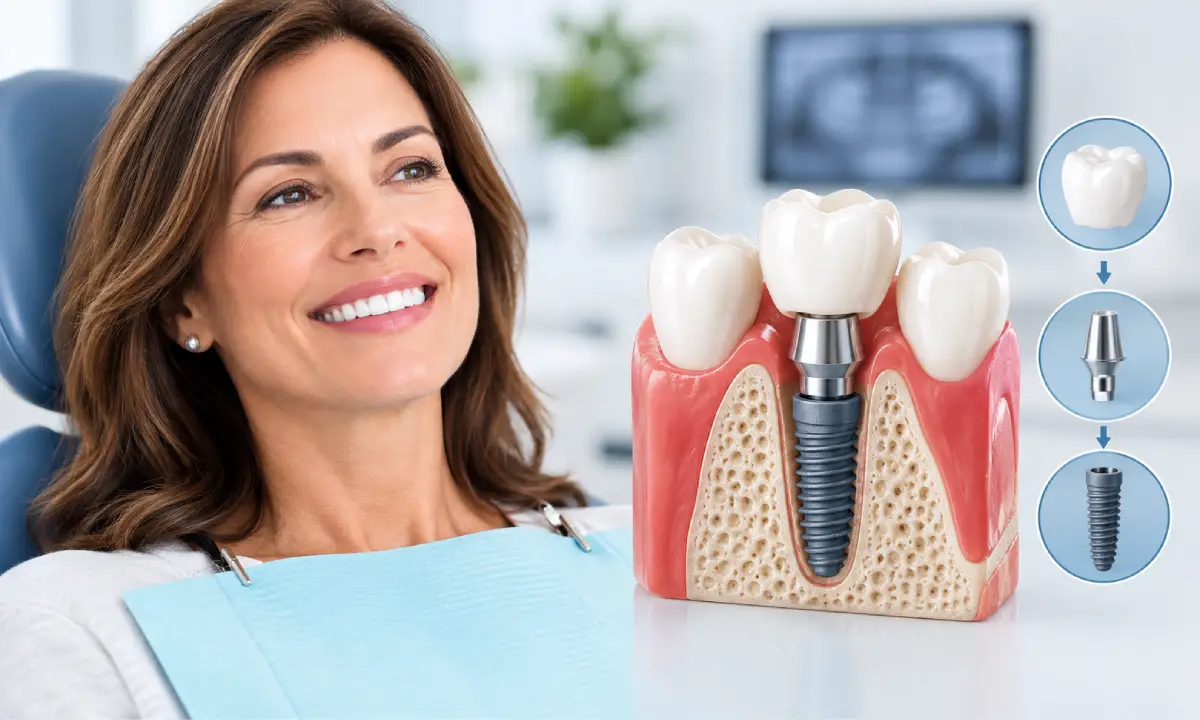
The procedure also helps eliminate harmful bacteria that contribute to gum inflammation and bone loss. By removing these bacteria and smoothing the bone, the gums can reattach more securely to the teeth. For many patients, this treatment can prevent further tooth instability and reduce the risk of tooth loss associated with severe gum disease. In cases where tooth replacement options such as dental implants are planned, osseous surgery may also help create a healthier environment for those procedures.
Protect Your Smile with Expert Periodontal Care
Advanced gum disease can progress quietly until it begins to affect the bone and the stability of your teeth. When this occurs, early intervention becomes essential to prevent further damage and protect long-term oral health. Procedures like osseous surgery provide a targeted approach to treating severe periodontal disease by removing infection and reshaping the bone around affected teeth. With proper treatment and ongoing care, patients can improve gum health and maintain stronger support for their teeth.
For individuals exploring Osseous Surgery in Mount Pleasant, SC, the experienced team at Periodontic Specialists by Solomon Dental provides comprehensive periodontal evaluations and personalized treatment plans.
If you have been diagnosed with advanced gum disease or have concerns about your gum health, schedule a consultation today to find out if osseous surgery is right for you and restore your healthy smile! The team at Periodontic Specialists by Solomon Dental can help you explore treatment options designed to protect your smile and support long-term oral health.