Skip to content
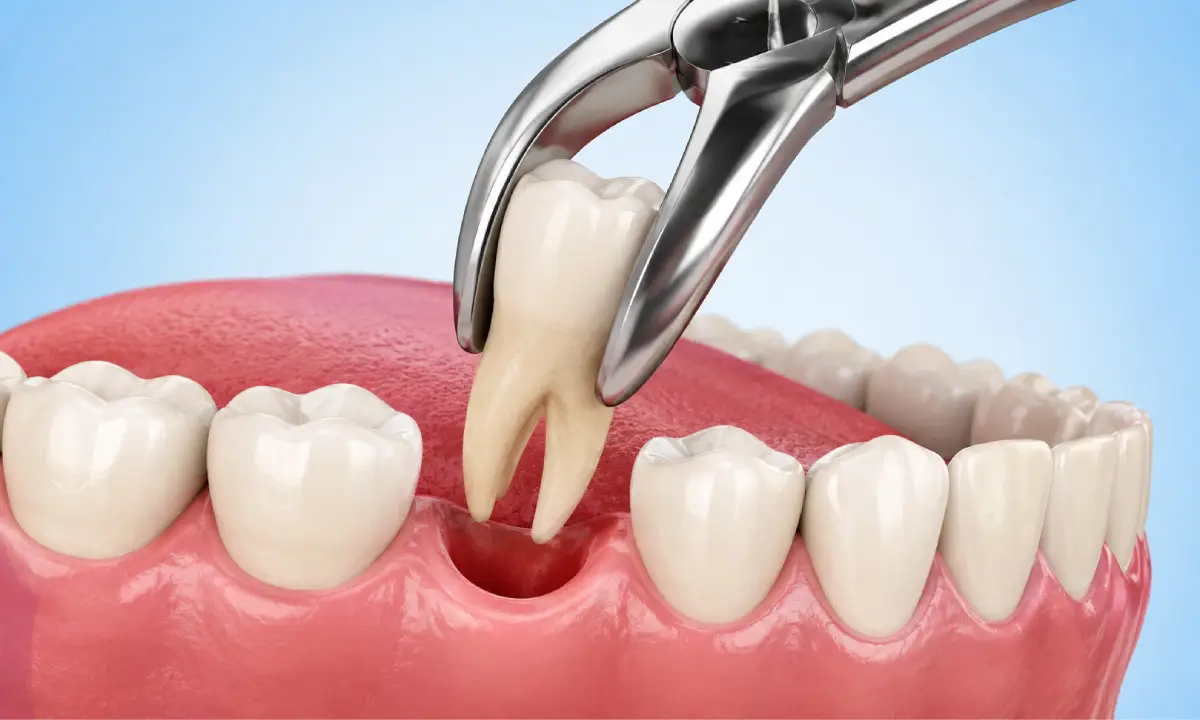
Table of Contents
Tooth pain rarely stays quiet for long. It might begin as something you brush off, a little sensitivity here or there, until it starts interfering with how you eat, sleep, or get through your day. At that point, the question becomes more serious: is this something that can be treated, or does it require a tooth extraction?
At Periodontic Specialists by Solomon Dental, many patients arrive feeling unsure and even anxious about what comes next. The idea of tooth removal can feel overwhelming, especially for those with a fear of dentist visits. Understanding when extraction is truly necessary can help replace that uncertainty with clarity and a sense of control.
When is tooth extraction needed?
Tooth extraction is needed when a tooth is severely damaged, infected, or causing complications that cannot be resolved with other dental treatments.
Understanding Tooth Extraction and Why It Matters
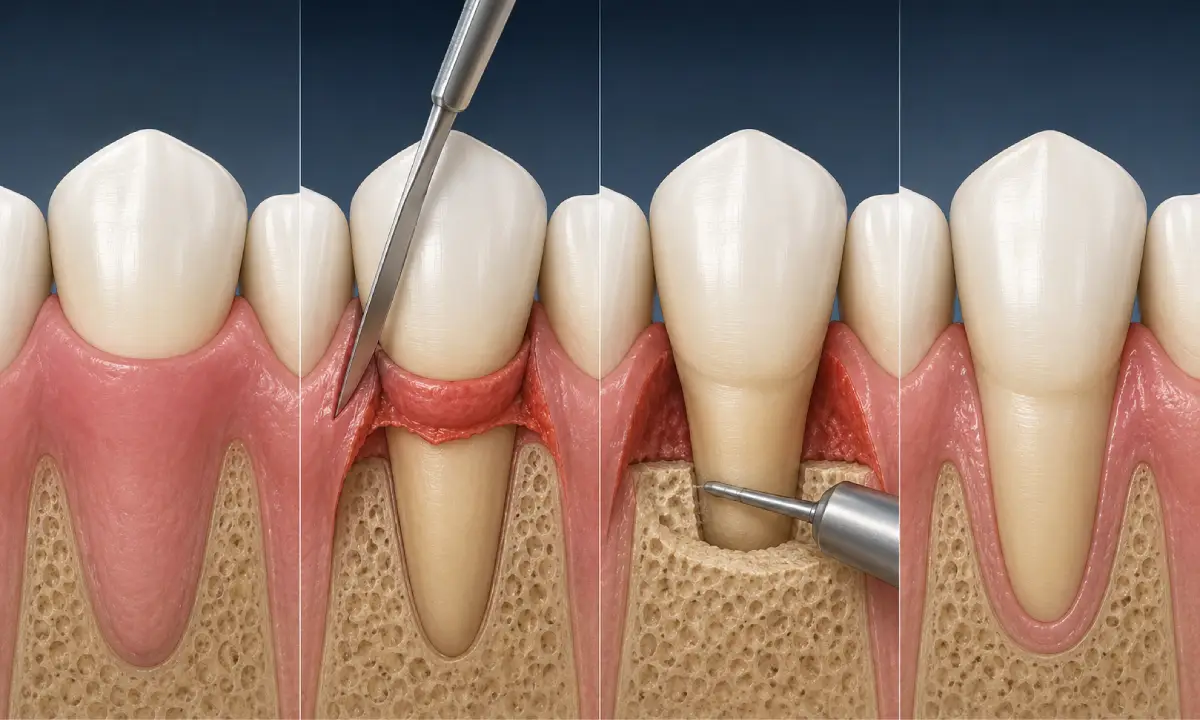
A tooth extraction is the process of removing a tooth from its socket in the jaw. While it may sound like a last resort, it is often a practical and necessary step to protect your overall oral health. Dentists prioritize saving natural teeth whenever possible, but there are situations where keeping a compromised tooth can lead to more serious issues.
For example, a tooth affected by deep decay or infection can spread bacteria to surrounding teeth or even into the bloodstream. Advanced gum disease can weaken the support structures around a tooth, making it unstable. In these cases, understanding when tooth extraction is needed can prevent ongoing discomfort and reduce the risk of more complex treatments later.
How the Tooth Removal Procedure Works
The tooth removal procedure is designed to be efficient and as comfortable as possible. Before anything begins, your provider will perform a thorough dental consultation to evaluate your condition and discuss your options. This is also the time to address concerns about dental anesthesia or anxiety related to the procedure.
During the extraction, the area is numbed using local anesthesia, ensuring a painless experience for most patients. The tooth is then carefully loosened and removed using specialized instruments. While some cases, such as impacted teeth, may require a more involved approach, the focus remains on minimizing discomfort and protecting surrounding tissue.
Signs You May Need a Tooth Extraction
It is not always easy to tell when a tooth has reached the point where removal is necessary. However, there are several clear signs you need tooth removal that should not be ignored.
Persistent tooth pain that does not respond to standard tooth pain treatment is often the first red flag. Swelling, pus, or signs of infection around the gums can indicate that the issue has progressed beyond simple repair. A tooth that feels loose, especially due to gum disease, may no longer have the support it needs to function properly.
Cracks that extend below the gumline, severely damaged teeth from trauma, or impacted wisdom teeth can also require extraction. Addressing these issues early can prevent complications such as infections spreading or damage to neighboring teeth.
Tooth Extraction vs Saving the Tooth
One of the most common concerns patients have is whether their tooth can still be saved. Dentists typically explore every possible option before recommending a Tooth Extraction. Treatments such as fillings, crowns, or root canal therapy are often considered first, especially when the tooth structure remains intact.
However, there comes a point where saving the tooth may no longer be beneficial. For instance, a tooth with extensive decay or repeated infections may continue to cause problems even after treatment. In these situations, removal can provide lasting relief and open the door to restorative options such as implants or bridges.
Choosing extraction does not mean giving up on your smile. Instead, it can be a step toward rebuilding a healthier, more stable foundation for future dental work.
Common Situations Where Tooth Extraction Is Recommended
There are several scenarios in which a tooth extraction is the most practical solution. Severe decay that has reached the inner layers of the tooth is one of the most common reasons. When bacteria penetrate deeply, it can be difficult to fully eliminate the infection without removing the tooth.
Gum disease is another major factor. As the condition progresses, it can damage the bone and tissue that support the teeth. When this support is compromised, extraction may be necessary to prevent further damage.
Overcrowding is also a common reason, particularly in orthodontic cases. Removing one or more teeth can create the space needed for proper alignment. Impacted wisdom teeth, which do not fully emerge or grow at an angle, often require removal to avoid pain, swelling, and infection.
Who Is This Procedure Best For?
Tooth extraction is not limited to a specific age group or type of patient. It is suitable for anyone dealing with dental conditions that cannot be resolved through less invasive treatments. Adults experiencing chronic tooth pain, infection, or gum disease are often strong candidates.
It is also ideal for individuals preparing for orthodontic treatment, where creating space is essential for proper alignment, and for patients with a fear of dentist visits, modern techniques and the use of dental anesthesia have made the process much more manageable than many expect.
Those who have delayed treatment due to uncertainty may find that addressing the issue sooner leads to a simpler and more comfortable experience overall.
Taking the Next Step Toward Relief
Living with ongoing dental discomfort can affect more than just your oral health. It can impact your confidence, your ability to enjoy meals, and your overall quality of life. Addressing the issue early can make a meaningful difference in both comfort and long-term outcomes.
At Periodontic Specialists by Solomon Dental, the focus is on helping patients make informed decisions that support their health and well-being. If a tooth extraction is recommended, it is done with care and attention to your individual needs.
If you are ready to find answers and move toward lasting relief, this could be the right time to take that step.
Book a Painless Procedure Today
A consultation can provide clarity, ease concerns, and help you move forward with confidence, knowing your oral health is in good hands.