Skip to content

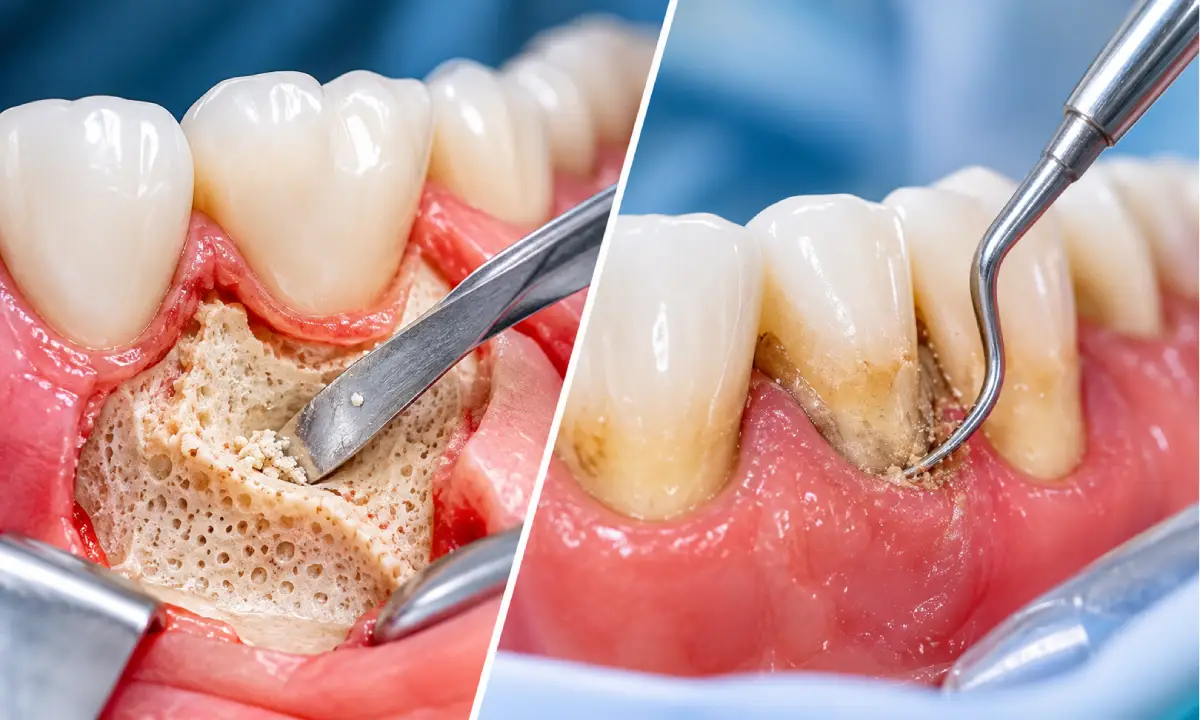
Table of Contents
Finding out you have gum disease is unsettling, and hearing two different treatment names in the same appointment can make it harder to follow along. If you have been trying to understand osseous surgery vs. scaling and root planing, here is the reassuring part: they are not two competing choices you have to choose between. At Periodontic Specialists by Solomon Dental, the decision depends on your gums and the bone underneath them.
Why Do Most Patients Start With Scaling And Root Planing?
Most patients begin with non-surgical care because it is less invasive and often settles the problem on its own. Your gums heal for several weeks, then are re-measured. Those follow-up numbers show how your tissue responded. Many patients need nothing further, while others need surgery in a few isolated areas. Starting here isn’t a delay; it is how we identify the right next step.
What Scaling and Root Planing Actually Does
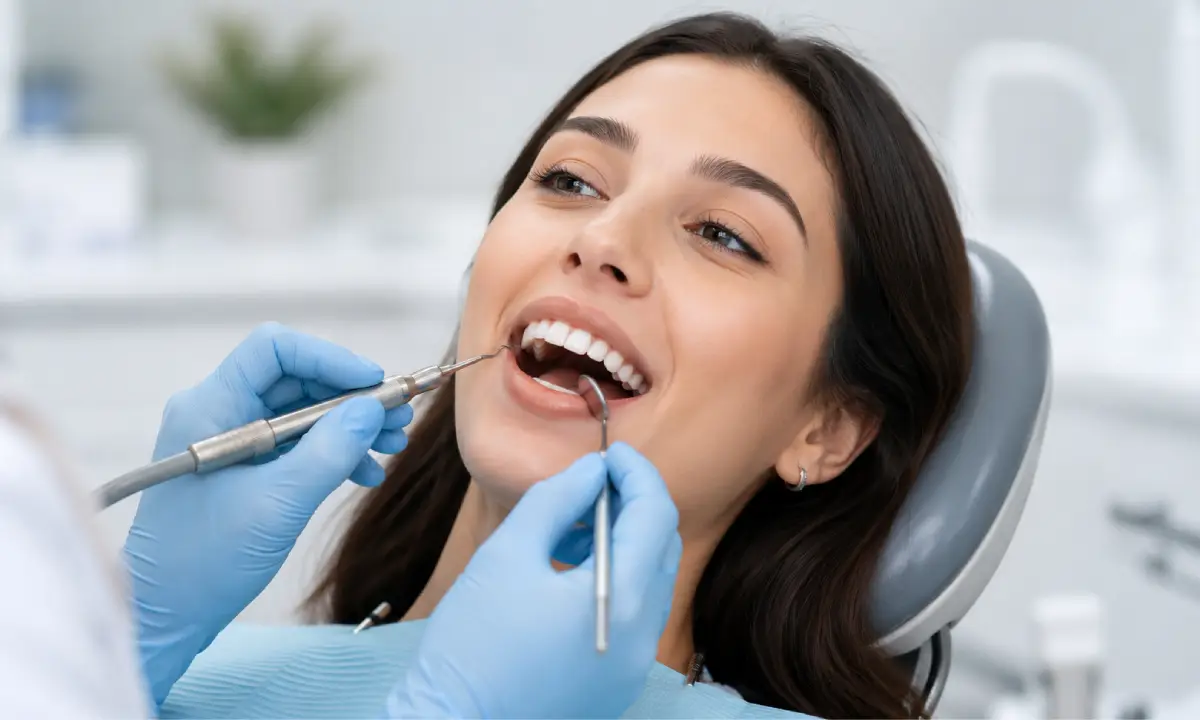
Scaling and root planing is a non-surgical deep cleaning that clears infection from below the gumline. The dentist first numbs the area with local anesthetic, and the work is often split into multiple visits so each part of the mouth gets full attention rather than a rushed pass.
The treatment has two parts that work together. Scaling removes plaque and hardened tartar from the tooth and root surfaces beneath the gumline, where a toothbrush and floss simply cannot reach. Root planing then smooths those root surfaces, giving bacteria fewer rough spots to settle into and the gum tissue a cleaner surface to reattach to.
Here is the part worth remembering. This deep cleaning for gum disease treats the infection and inflammation inside the pocket, but it works within the pocket’s existing shape. As a periodontal pocket treatment, it is the standard first step once gum disease is diagnosed, and for many patients, it is the only step they need.
What Osseous Surgery Actually Does
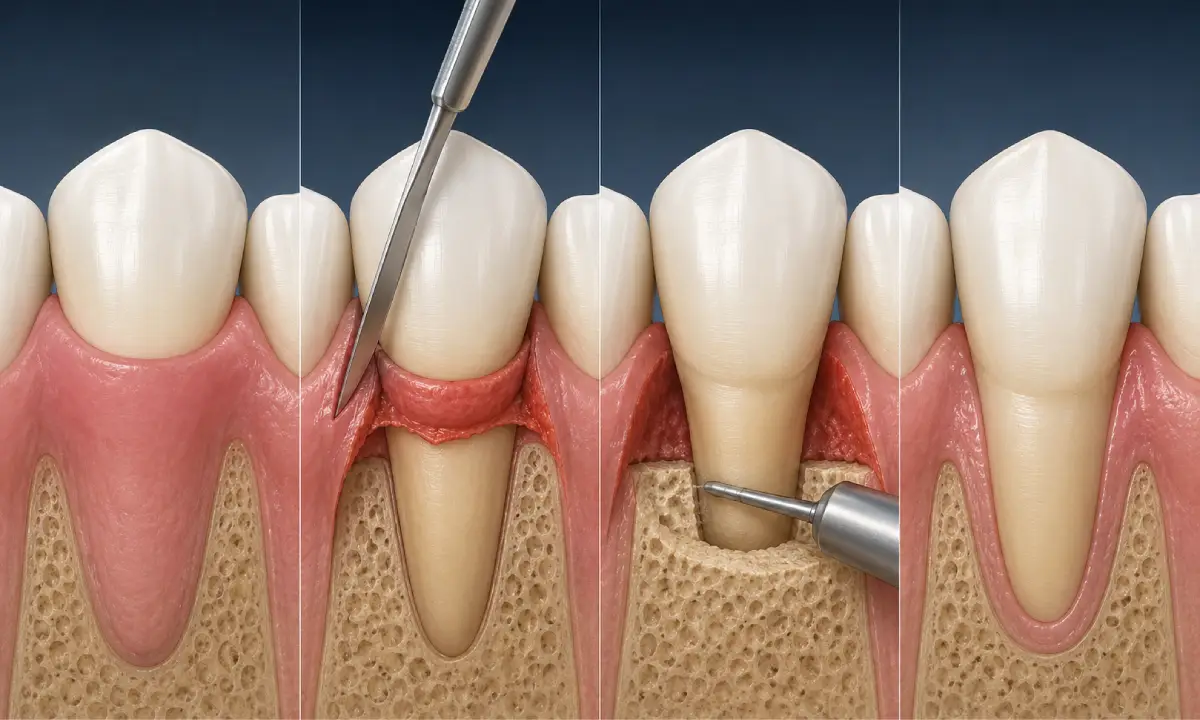
Osseous Surgery in Mount Pleasant, SC, also called pocket reduction surgery, is a surgical gum treatment that reaches the bone supporting your teeth. It is not a stronger cleaning. It is a different kind of procedure with a different goal.
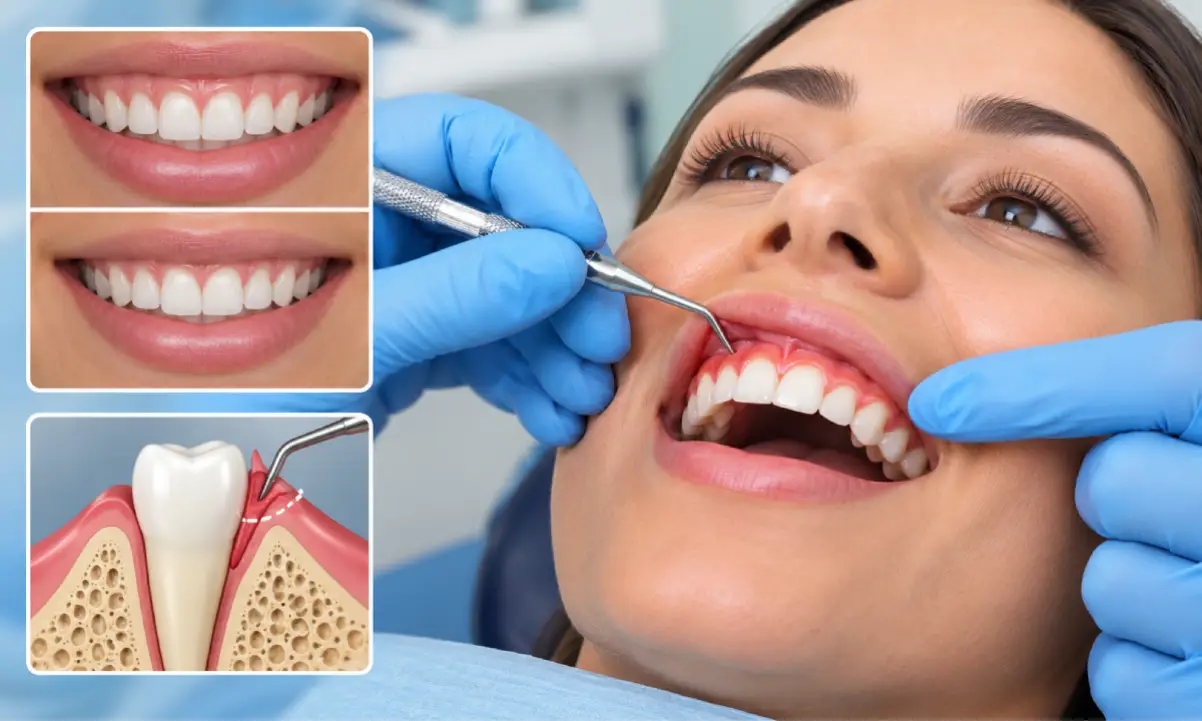
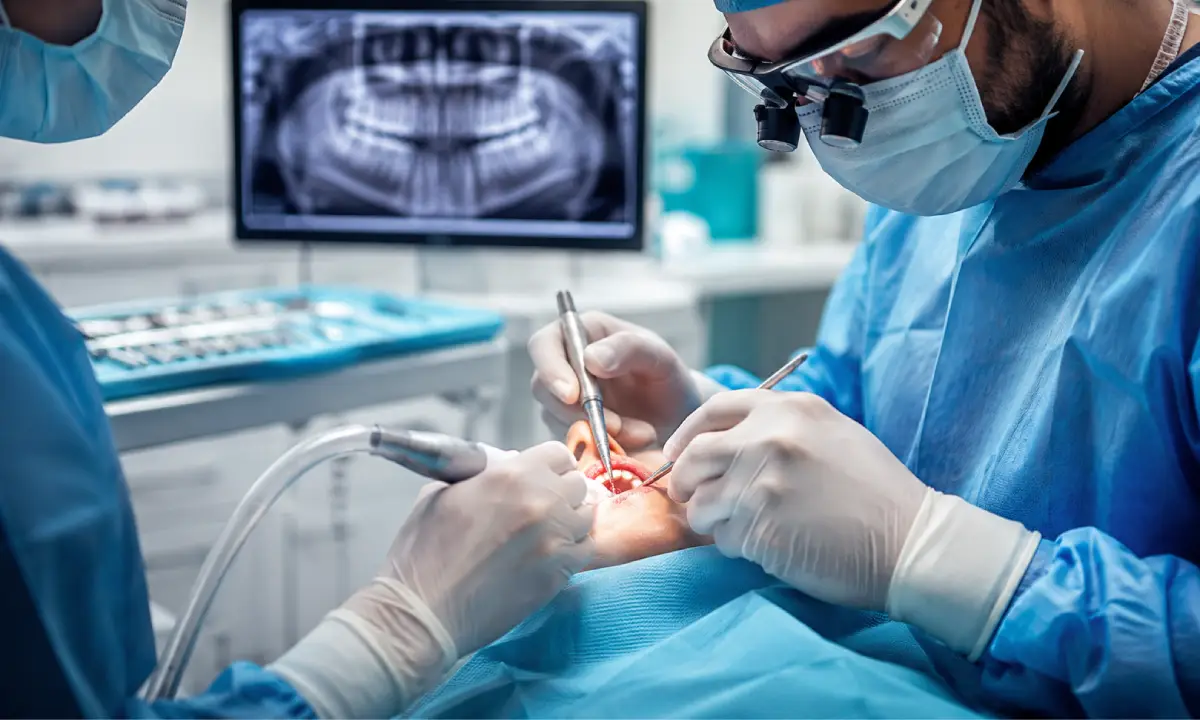
After numbing the area, the periodontist makes small incisions and gently lifts the gum tissue away from the teeth. This access lets the dentist remove infected tissue and bacteria deep in the pocket and smooth and reshape the bone where disease has left it uneven. The dentist then sutures the gums back into place so they sit snugly against the teeth again.
If bone has already been lost, dentists may perform bone grafting at the same time to help rebuild support around the tooth.
The Core Difference: Cleaning the Pocket vs. Reducing It
The core difference is simple. Scaling and root planing cleans inside the pocket, while osseous surgery changes the pocket’s size.
That distinction matters more than it sounds. A pocket that stays deep after a thorough cleaning tends to refill with bacteria because neither you at home nor your hygienist at a cleaning appointment can reliably reach the bottom. The infection returns not because the cleaning failed, but because the space remains.
Bone loss is usually the dividing line. Soft tissue infection generally responds well to cleaning. Bone contours reshaped by disease usually don’t correct themselves, no matter how carefully you clean the area. That’s when reducing the pocket becomes the more practical goal.
Keep this in mind as you compare periodontal treatment options: these are different stages of the same path, not rivals.
How a Periodontist Decides Which One You Need
Your periodontist bases this decision on measurements, not guesswork. At a periodontal exam, they probe each tooth at several points to measure pocket depth, and X-rays show how much bone surrounds the roots.
A few factors carry the most weight:
- Pocket depth. Shallower pockets usually respond well to non-surgical care. Pockets that remain deep after a thorough cleaning often signal that you should start a surgical conversation.
- Bone levels on your X-rays. Imaging shows whether disease has already changed the bone’s shape, which cleaning alone generally cannot correct.
- How your gums responded to earlier treatment. Progress since your last visit often matters as much as the numbers recorded at your first exam.
- Location and access. Pockets around back molars and between roots are harder to clean thoroughly, both at home and in the chair.
- Your overall health and daily home care routine. Both influence how well tissue heals and how long the result stays stable.
Your periodontist considers these together rather than reacting to any single number, and will walk you through what your own measurements mean. None of this is a verdict on how well you have cared for your teeth. Genetics, certain medications, and health conditions all influence how gum disease behaves in a given person.
What Recovery and Maintenance Look Like for Each
Recovery is one of the clearest practical differences between the two.
After scaling and root planing, most patients have mild gum sensitivity and some tenderness for a few days and return to their normal routine right away. Warm salt water rinses and softer foods for a day or two are usually enough.
After osseous surgery, plan on a short stretch of rest, a soft diet, and some temporary swelling or discomfort at the surgical site. Your periodontist will review care instructions and your follow-up schedule before you leave.
Both treatments share the same long-term requirement: periodontal maintenance cleanings, typically more often than standard checkups. Gum disease is manageable, not curable, and results from either treatment depend heavily on daily home care. If recession becomes a concern, Soft Tissue Gum Grafting in Mount Pleasant, SC is a separate procedure that can cover exposed root surfaces.
Your Next Step Toward a Lasting Solution
Understanding osseous surgery vs. scaling and root planing gets much easier once you know they’re part of the same treatment path. The team at Periodontic Specialists by Solomon Dental will measure, explain, and move at a pace that feels comfortable to you. Schedule an evaluation to find out which periodontal treatment may be appropriate for your needs.