Skip to content
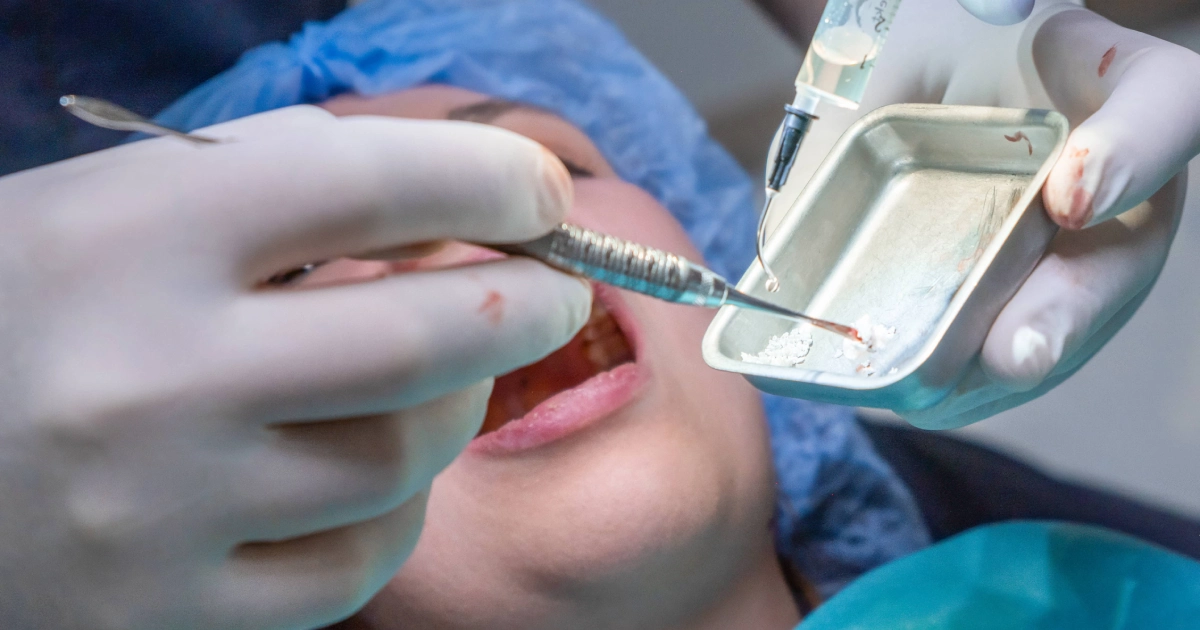
Table of Contents
Gum health often receives less attention than brushing habits or whitening trends, yet it plays a significant role in long-term oral comfort and tooth stability. For many adults, periodontal disease quietly progresses before obvious symptoms appear. When deep gum pockets form, regular cleanings can no longer reach bacteria hidden beneath the gums. This can lead to bone loss and even tooth loosening. It can feel overwhelming to navigate treatment options, especially for people who prefer conservative care or want a more precise understanding before moving forward.
Osseous surgery offers a reliable way to address advanced gum disease by creating a healthier, more stable environment around the teeth. For individuals who have tried non-surgical therapies without improvement, this procedure may help preserve their natural teeth and restore comfort. At Periodontic Specialists by Solomon Dental, this approach is carefully performed to reduce active infection and help patients feel confident in their oral health again.
What Is Osseous Surgery?
Osseous surgery, sometimes called periodontal osseous surgery or gum pocket reduction surgery, is designed to treat moderate to advanced periodontal disease. When gum disease progresses, bacteria travel beneath the gumline and begin to break down the bone that supports the teeth. This creates deep gum pockets, making it challenging to keep the area clean with at-home care or routine dental visits.
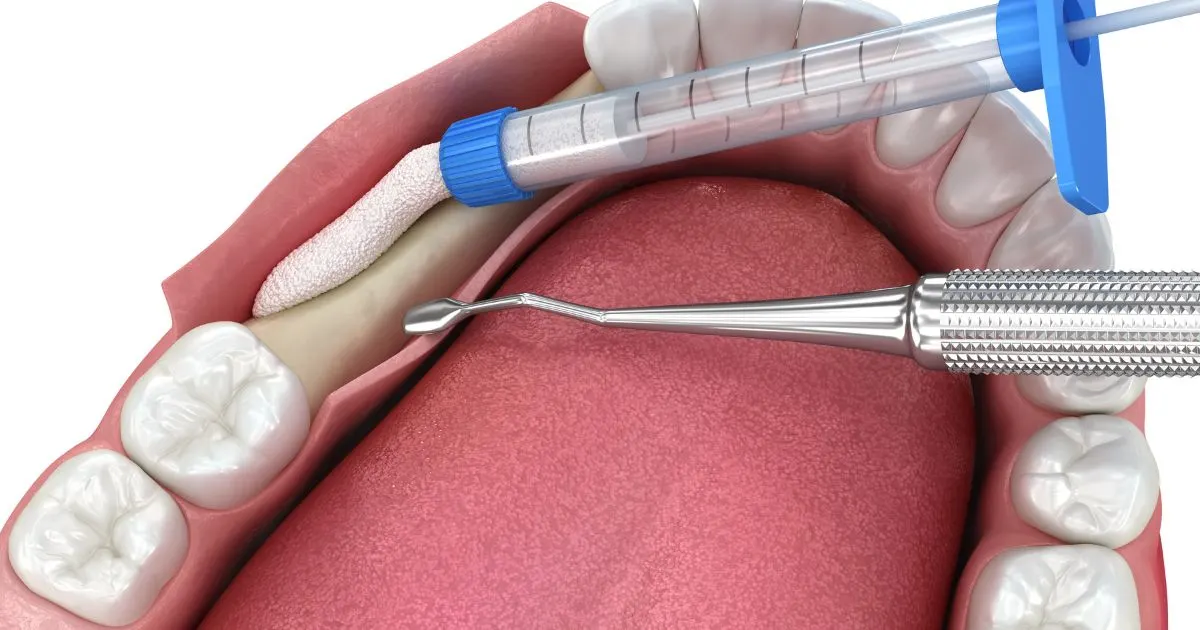
During osseous surgery, the gum tissue is gently lifted to access the affected bone. The periodontist cleans the area thoroughly, removes damaged tissue, and smooths the bone so the gum can reattach more securely. As a result, pocket depths become shallower, helping limit bacterial buildup and lowering the risk of further bone loss.
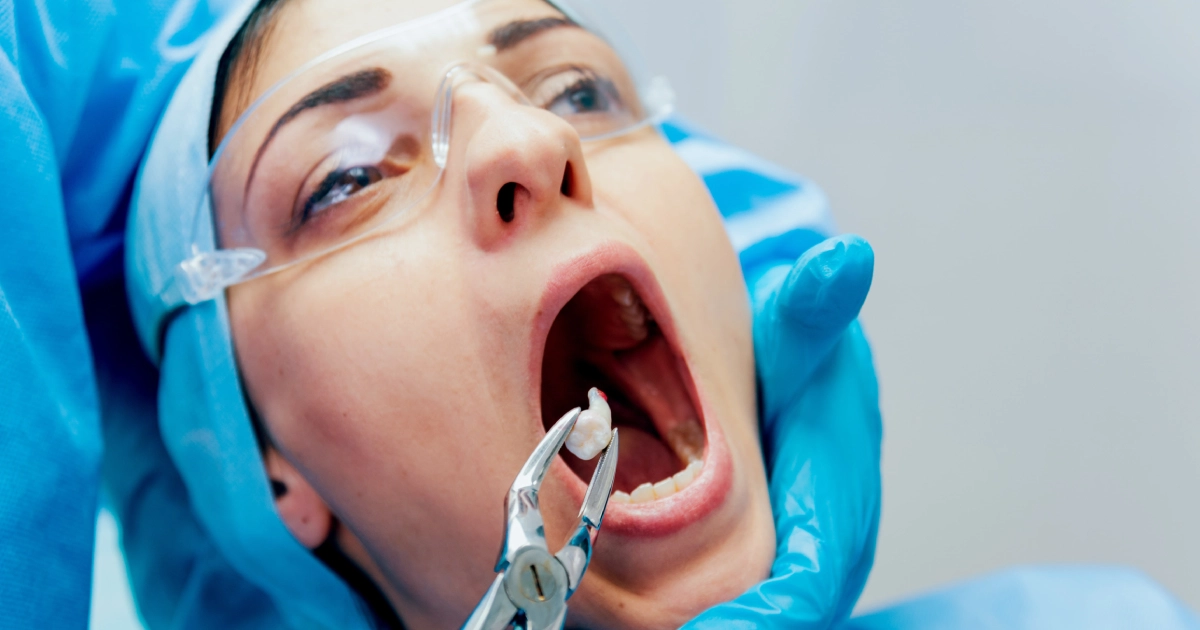
While the term “surgery” can sound intimidating, the procedure is done with local anesthesia, so patients remain comfortable. It aims to save teeth and improve long-term gum health, especially when other treatments like scaling and root planing have not been effective.
How Osseous Surgery Treats Periodontal Disease
To understand howosseous surgery works, it helps to look at what happens when periodontal disease develops. Plaque and tartar accumulate around the gumline, and bacteria trigger inflammation. Over time, this inflammation damages both the gum tissue and the bone beneath. Pockets form around the teeth and become deeper as the disease progresses, creating safe spaces for bacteria to grow.
Here is how osseous surgery helps break this cycle:
1. Access to Deep Pockets
Non-surgical treatments reach a limit. When pockets are too deep, they hide bacteria and infected tissue. Osseous surgery opens the area so it can be thoroughly cleaned.
2. Removal of Infected Tissue
The periodontist removes bacteria, infected tissue, and accumulated tartar that cannot be reached otherwise. Cleaning the area reduces inflammation and helps encourage gum healing.
3. Bone Reshaping
Irregular bone surfaces develop as the disease progresses. Smoothing these surfaces helps prevent new pockets from forming and encourages gums to reattach more effectively.
4. Gum Repositioning
Once the bone is reshaped, the gums are placed back so they fit more snugly. This creates a healthier seal, making daily care more effective and reducing future pocket depth.
With reduced pockets, people often notice that their teeth feel more stable and their gums look healthier. The goal is not perfection but a significant improvement that supports long-term maintenance.
What To Expect During Treatment
Each case is unique, but osseous surgery often includes these general steps:
- Local anesthesia is used to numb the area.
- Gum tissue is lifted for access to the bone beneath.
- Bacteria and diseased tissue are removed.
- The bone is reshaped to better support the gum tissue.
- Gums are repositioned and sutured to heal correctly.
- Instructions are provided to support healing at home.
Some cases may involve bone grafting if bone loss is more advanced. Bone grafting helps restore support and creates additional stability for teeth.
At Periodontic Specialists by Solomon Dental, osseous surgery in Mount Pleasant, SC, is performed with careful planning to preserve as much natural structure as possible and improve overall oral health.
Understanding Osseous Surgery Recovery Time
Healing timelines vary, but most patients notice improvement within several weeks. Early swelling or tenderness is normal, but these sensations typically lessen within a few days. Proper oral hygiene, along with follow-up visits, helps ensure long-term success.
Some things that support recovery:
- Taking prescribed medication as directed
- Use a gentle mouth rinse if advised.d
- Avoiding chewing in the treated area during early healing
- Attending follow-up appointments
The best way to maintain results is through daily brushing, flossing, and professional cleanings. These habits help keep bacteria from returning to the deep areas treated during surgery.
When Osseous Surgery May Be Recommended
Non-surgical treatments like scaling and root planing work well for many people. However, osseous surgery is often recommended when:
- Gum pockets remain deep after non-surgical care
- There is significant bone loss.
- Gums bleed easily during brushing.
- Loose or shifting teeth develop.
- A person experiences persistent gum inflammation.
Periodontal disease does not always cause pain, so patients may not realize how advanced it has become. The purpose of osseous surgery is to help preserve natural teeth and build a cleaner oral environment that is easier to maintain.
Benefits of Osseous Surgery
Osseous surgery offers several key advantages for patients with moderate to advanced gum disease. These benefits include:
- Reduced pocket depth
Shallower pockets help limit bacterial buildup and simplify daily cleaning. - Improved gum attachment
Smoother bone surfaces allow the gum tissue to reattach more firmly. - Better oral hygiene access
With fewer deep pockets, regular brushing and flossing become more effective. - Lower chance of future bone loss
Treating active infection helps protect remaining bone. - Improved stability of natural teeth
Restoring healthier tissue support can help reduce loosening. - Supports long-term oral health
Combined with good home care, results can last many years.
Together, these benefits help patients enjoy calmer, healthier gums and improved comfort.
Who May Benefit Most From Osseous Surgery
Although each case is different, osseous surgery is often ideal for:
- Adults with moderate to severe periodontal disease
- Those who did not respond well to scaling and root planing
- People experiencing gum recession with deep pockets
- Patients notice changes in bite or shifting teeth.
- Individuals hoping to preserve natural trees.h
- People preparing for dental implants
A Gentle Next Step Toward Better Gum Health
Protecting your smile goes beyond daily brushing. When periodontal disease threatens the health of the bone, osseous surgery can help create stability and prevent further damage. At Periodontic Specialists by Solomon Dental, experienced care and thoughtful planning help patients feel well-supported through each step of treatment.
If you are noticing tenderness, bleeding gums, or deep pockets around your teeth, learning more about this procedure may be helpful. You deserve clarity and reassurance as you consider the best path for your oral health.
Book Your Osseous Surgery Consultation Today to explore whether osseous surgery in Mount Pleasant, SC can support your unique needs.
A healthier foundation can make everyday activities like chewing and smiling feel more comfortable, and the proper guidance can make all the difference.