Skip to content

Table of Contents
Sometimes it’s not the tooth that’s the problem, it’s what you can’t see. A tooth may be cracked below the gumline, a cavity may extend deeper than expected, or a future crown may not have enough solid structure to hold onto. In other cases, the teeth are healthy, but the gumline covers more tooth surface than you’d like, making your smile look “gummy” or uneven.
If you’ve been told you might need crown lengthening (or you’re simply curious whether it could improve your smile), a straightforward first step is to understand candidacy. At Periodontic Specialists by Solomon Dental, patients looking into Crown Lengthening in Mount Pleasant, SC often want the same thing: clarity. This guide breaks down who tends to be a strong candidate, who may need additional steps first, and how a periodontist decides what’s safest and most effective for your long-term oral health.
What Crown Lengthening Is and Why It’s Recommended
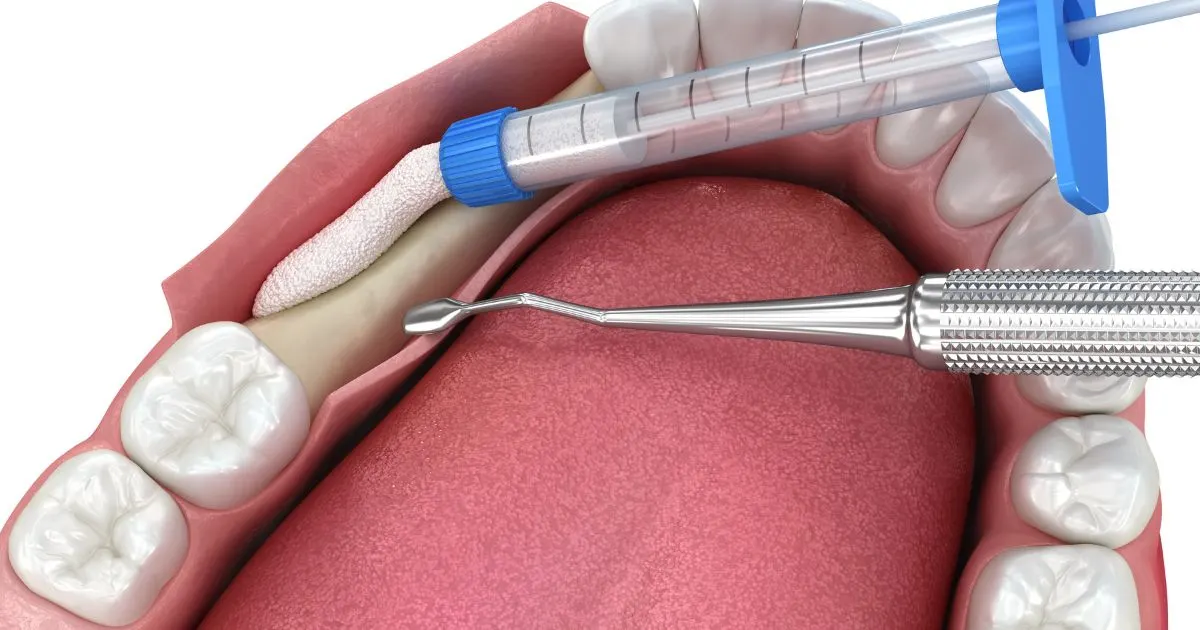
Crown lengthening is a periodontal procedure that removes gum tissue, bone, or both to expose more of a tooth’s structure. The purpose isn’t to make the tooth “bigger” in an artificial way, it’s to reveal enough healthy tooth surface so your dentist can restore or protect it adequately.
It’s commonly recommended for two main reasons:
1) Restorative needs
If a tooth is decayed, broken, or damaged below the gumline, there may not be enough exposed tooth structure to place a strong crown or filling. In that situation, crown lengthening creates access and stability, giving a restoration a better chance of lasting.
2) Cosmetic or smile-balance goals
Some people have excess gum tissue that covers a larger portion of the teeth, leading to a “gummy” appearance or an uneven gumline. Crown lengthening can reshape the gumline, making the teeth look more proportionate and the smile more balanced.
The critical point: crown lengthening is about creating the proper foundation, either for long-term dental work or for a smile that feels more like you.
Are You a Good Candidate for Crown Lengthening? Key Factors That Matter
Being a good candidate for crown lengthening is not just about wanting a change. It’s about whether your gums, bone, teeth, and overall oral health make the procedure appropriate and predictable.
Here are the most common factors your periodontist considers:
You need a crown or filling, but there isn’t enough tooth above the gum line
This is one of the most straightforward reasons for crown lengthening. If a tooth is cracked or decayed near or below the gumline, a crown may not “grab” enough tooth structure to stay secure. Crown lengthening helps expose a healthy tooth,, so your dentist can restore it with better strength and fit.
Your tooth is broken below the gum line.
When a tooth fractures below the gum tissue, it can be difficult to restore without first reshaping the surrounding gum and bone. Crown lengthening can provide the access needed to rebuild the tooth in a way that’s stable and easier to keep clean.
You have a gummy smile or uneven gumline.
Some people naturally show more gum tissue when they smile, or have a gumline that looks uneven from tooth to tooth. If the teeth are healthy but appear short because the gums cover too much of the enamel, crown lengthening may help create better proportions.
You have deeper gum pockets that make hygiene difficult
In some instances, reshaping gum tissue can reduce pocket depth, making it easier to keep the area clean and lowering the risk of future inflammation. This doesn’t apply to everyone, but it can be part of the overall treatment plan depending on your periodontal health.
You have healthy gums, or your gum health can be stabilized
A good candidate usually has healthy gums or is willing to address gum disease first. If active periodontal disease is present, your periodontist may recommend treatment to reduce inflammation before moving forward, as healing and long-term stability depend on healthy tissue.
How Periodontists Determine Crown Lengthening Procedure Eligibility
If you’re wondering about eligibility for the crown lengthening procedure, it may help to know what the evaluation typically includes. A periodontist isn’t guessing they’re measuring and planning.
During an exam, your provider may assess:
- Gum position and thickness (necessary for predictable healing and aesthetics)
- Bone levels around the tooth (to ensure the tooth remains stable)
- “Biologic width” considerations (space your body needs between bone and restoration for gum health)
- The amount of tooth structure available for a crown or filling
- Your smile line (how much gum shows when you smile, especially for front teeth)
- X-rays and clinical measurements to confirm the safest approach
This planning matters because crown lengthening is not only about exposing more teeth—it’s also about protecting the health of the surrounding gum tissue long term.
Everyday Situations Where Crown Lengthening Makes the Most Sense
People who ask “who should get crown lengthening?” are often in one of these scenarios:
You’re preparing for a crown
If your dentist recommends a crown but the tooth is too short above the gumline, crown lengthening may be the step that makes the crown more durable and less likely to fail.
You have recurrent decay near the gumline.
When decay extends below the gum margin, it’s harder to clean and restore fully. Exposing more tooth structure can help your dentist remove decay thoroughly and place a restoration that is easier to maintain.
You want a more balanced smile.
For those seeking crown lengthening for smile improvement, the focus is often on gumline shape and symmetry of the gumline. A more even gumline can make teeth appear longer and more proportionate, which many patients find improves overall confidence in photos and face-to-face conversation.
You’re coordinating treatment with other periodontal services
Sometimes crown lengthening is part of a larger plan. For example, if you’re exploring dental implants, a periodontist may discuss how soft-tissue and bone shape affect the final look of the restoration. In certain cases, crown lengthening can help create an ideal “emergence profile” (how a restoration emerges from the gumline) for a natural appearance and easier cleaning.
A Friendly Next Step for Your Smile
If you’re considering crown lengthening, the most helpful step you can take is to get a personalized evaluation. Candidacy depends on details that can’t be confirmed through photos or guesswork—like bone levels, gum health, and how a restoration will fit over time.
If you’d like professional guidance from a team that focuses on gum and bone health every day, connect with Periodontic Specialists by Solomon Dental and take the next step with clarity. Discover if Crown Lengthening Is Right for Your Smile Goals—a consultation can help you understand your options, what outcomes are realistic, and what approach best supports your long-term oral health.