Skip to content
Table of Contents
Facing a tooth extraction can feel intimidating, even when you know it’s the right choice for your oral health. Many people worry about pain, recovery, and how long it will take before they feel normal again. These concerns are entirely natural, whether the extraction is planned or unexpected. What most people really want is clarity: How long will it take to heal, and what should I expect along the way?
At Periodontic Specialists by Solomon Dental, extractions are performed with a comforting, patient-centered approach. Knowing what happens during recovery can ease fear, support better healing, and help you feel more in control of the process. Understanding the typical healing timeline for tooth extraction empowers you to care for your mouth with confidence and peace of mind.
Understanding How Long It Takes to Heal After a Tooth Extraction
The healing process after a tooth extraction is unique to each person, but there are predictable phases that most people experience. Before we break them down, it’s essential to know that recovery isn’t just about the gum tissue; it also involves the socket (bone), surrounding tissues, and your body’s natural inflammatory response.
Healing time depends on several factors, including:
- Your overall health
- Whether the extraction was simple or surgical
- The location of the tooth
- Whether it was a wisdom tooth
- Your aftercare habits
- Smoking or health conditions that slow healing
Still, in general terms, most people follow a similar timeline, especially when they follow proper aftercare guidelines.
The Typical Healing Timeline After a Tooth Extraction
Here is a simplified timeline of what you can expect as you recover:
First 24 Hours
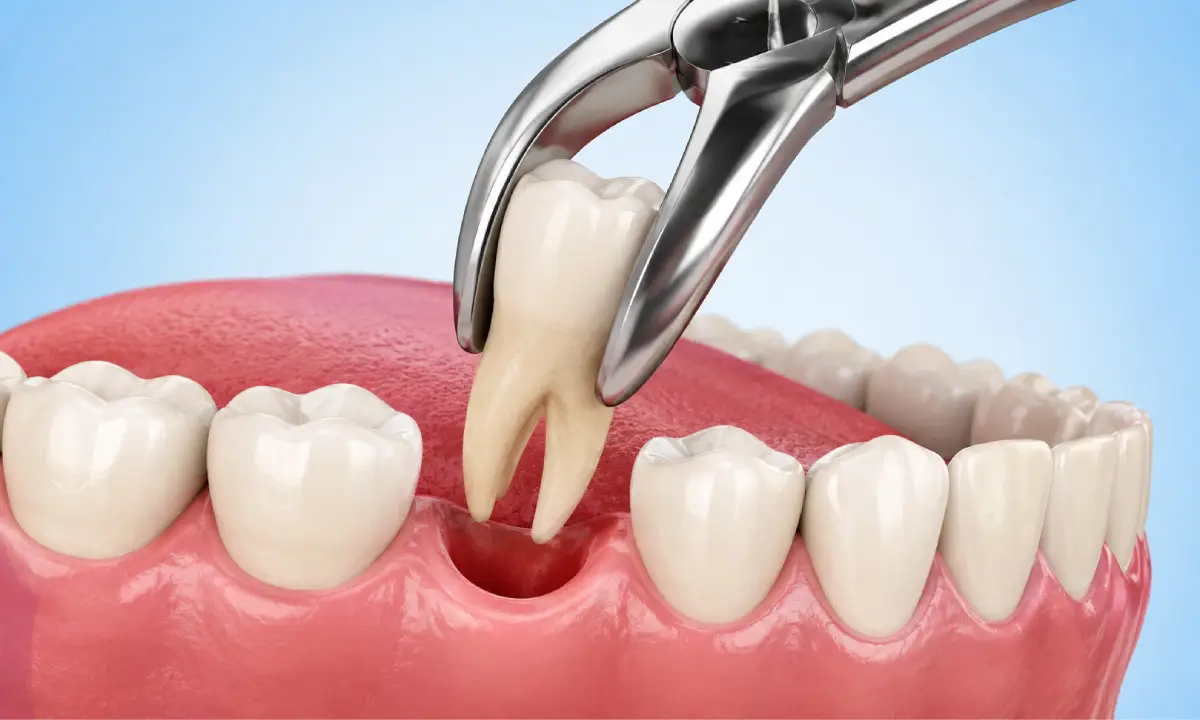
A blood clot forms in the socket. This is the most crucial step in healing. Any disturbance to the clot can lead to complications such as dry socket. Mild oozing and swelling are normal.
Days 1–3
You may experience tenderness, swelling, and minor discomfort. This period often involves the most noticeable symptoms, but they typically improve with prescribed or over-the-counter pain medication and cold compresses.
Days 3–7
Discomfort starts to decrease. You may still feel sensitivity when eating or talking, but most people begin to return to their regular routines. Swelling and soreness gradually fade.
Week 1–2
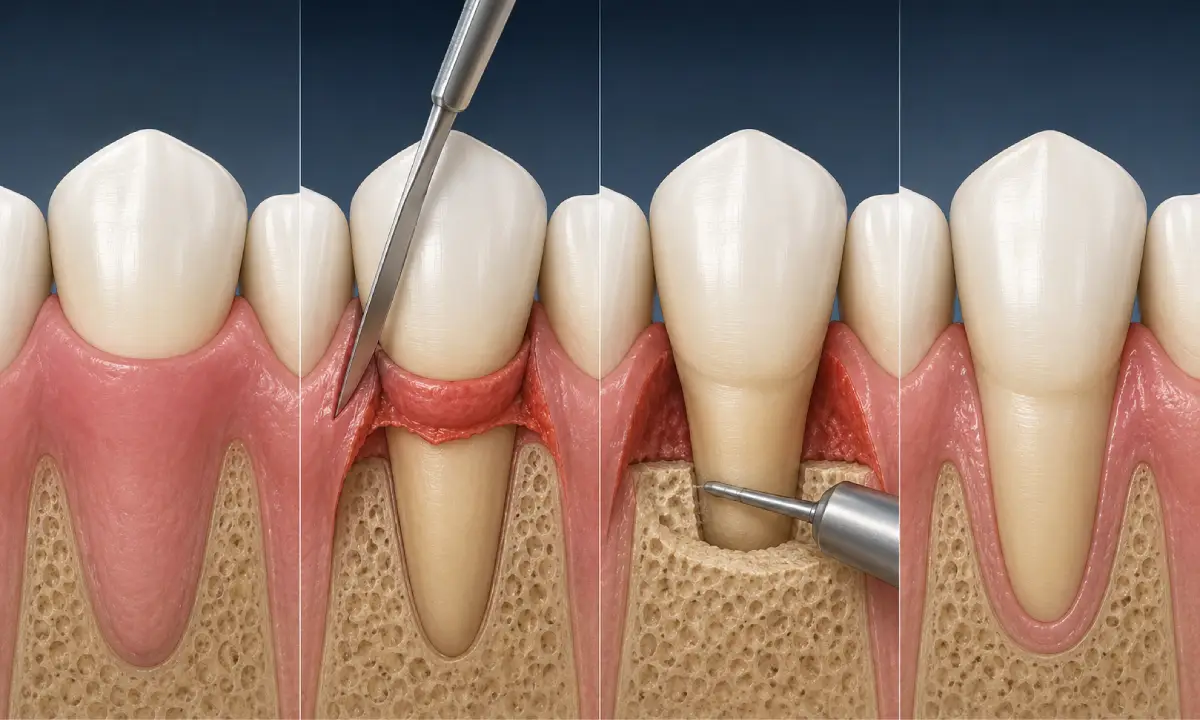
Gum tissue begins closing over the socket. Many people feel significantly better by this point, though more profound healing continues beneath the surface.
Week 3–4
The socket continues to strengthen. Eating becomes easier, sensitivity diminishes, and the area feels less tender.
1–3 Months
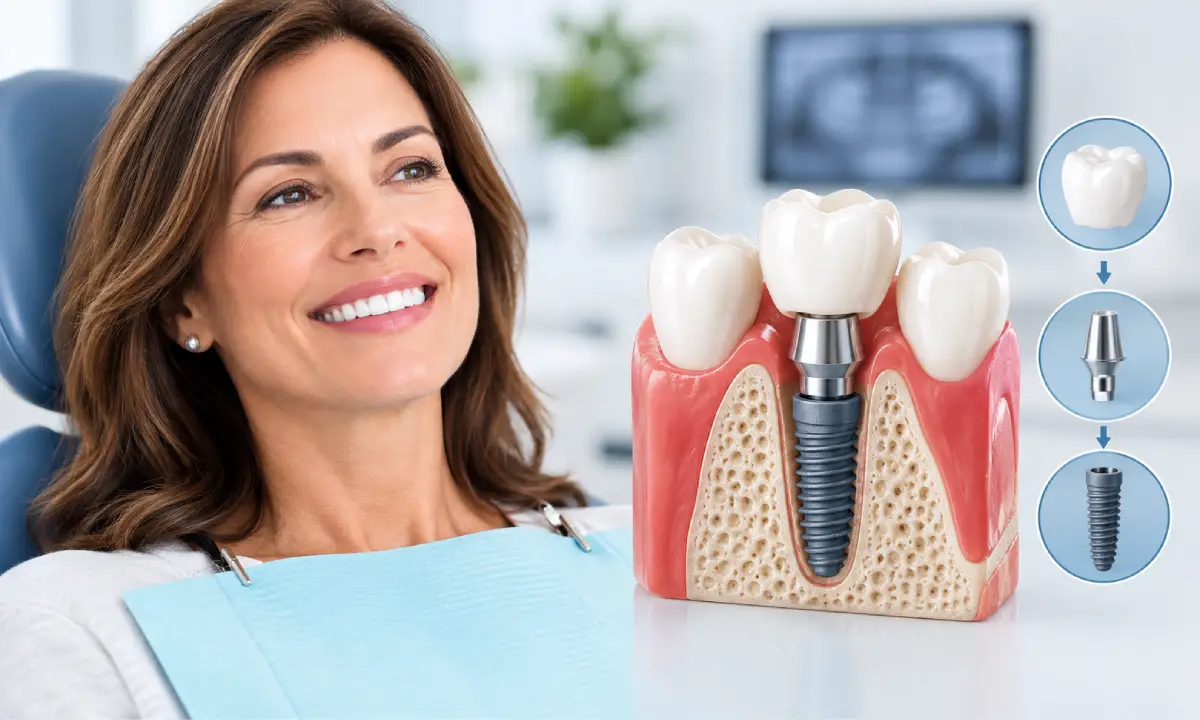
Bone tissue in the socket regenerates and fills in completely. While this isn’t something you can see or feel directly, it is an essential stage, especially if you are preparing for restorative treatments like dental implants.
A simple extraction typically heals faster than a surgical one. Wisdom teeth extraction recovery, especially lower impacted teeth, may slightly extend this timeline.
What Actually Happens During the Healing Process?
Understanding what your body is doing after a tooth extraction helps you appreciate why each stage matters.
Blood Clot Formation
Immediately after the tooth is removed, a blood clot forms. This clot protects nerve endings, supports tissue regeneration, and is essential for preventing complications such as dry socket.
Tissue Repair
Gum tissue begins to regenerate within the first week. You may see the opening shrinking and becoming smoother.
Bone Remodeling
More profound healing happens more slowly. New bone starts forming within the socket, gradually filling the space left behind.
This regenerative process takes longer than gum healing but is vital for long-term oral health and future dental treatments.
Key Factors That Affect Tooth Extraction Healing Time
Although there is a general timeline, recovery varies based on individual circumstances. A few factors that influence healing include:
1. Type of Extraction
- Simple extraction: Typically heals more quickly.
- Surgical extraction: Often requires more recovery time due to the deeper work involved.
2. Tooth Location
Molars, especially wisdom teeth, take longer to heal due to larger roots and thicker bone in the jaw.
3. Age
Younger individuals tend to heal faster because cells regenerate more quickly.
4. Health Conditions
Conditions such as diabetes or immune-related disorders can slow healing.
5. Smoking
Smoking dramatically delays tissue repair and significantly increases the risk of dry socket.
6. Aftercare Compliance
Following instructions, such as avoiding straws, smoking, or vigorous rinsing, directly affects the success of healing.
Tooth Extraction Aftercare Tips for a Smooth Recovery
Proper aftercare is one of the most critical parts of ensuring a healthy and comfortable recovery.
Here are essential tooth extraction aftercare tips to support your healing:
Protect the Blood Clot
- Do not drink through a straw for at least 72 hours.
- Avoid spitting forcefully or rinsing aggressively.
- Skip smoking or vaping.
Manage Swelling
- Use cold compresses for the first 24 hours.
- Sleep with your head elevated to reduce inflammation.
Eat Soft Foods
Stick to foods like yogurt, mashed potatoes, oatmeal, and smoothies (spooned, not sipped through a straw). Gradually return to solid foods as comfort allows.
Maintain Gentle Oral Hygiene
- Brush all other teeth normally, avoiding the extraction site for the first day.
- The next day, gently rinse with warm salt water.
Take Medication as Prescribed
Your provider may recommend over-the-counter pain relief or prescribe medication if needed.
Monitor the Area
Call the office if you experience severe pain, foul odor, or signs of infection.
The providers at Periodontic Specialists by Solomon Dental guide you through every step to make the aftercare process manageable and stress-free.
Common Signs Your Mouth Is Healing Well
Recognizing the signs of healthy healing can reassure you during recovery. These include:
- Decreasing pain each day
- Mild swelling is improving after 48 hours.
- Gradual closure of the socket
- No signs of discharge or infection
- Ability to resume normal eating within one to two weeks
If these improvements occur consistently, your healing is likely on track.
Benefits of Understanding How Long It Takes to Heal After a Tooth Extraction
Knowing what to expect during recovery isn’t just reassuring; it can positively influence your entire healing journey.
Practical Benefits
- Helps you plan time off work or activities
- Allows you to prepare soft foods and the necessary supplies
- Minimizes the risk of complications through informed aftercare
Emotional Benefits
- Reduces anxiety by providing clarity
- Builds confidence in your recovery process
- Helps you feel more in control of your health decisions
Health Benefits
- Encourages proper oral hygiene
- Supports faster healing
- Helps prevent infections or dry socket
When patients understand the healing timeline, the experience becomes smoother and far less stressful.
A Gentle Path to Healing Starts With Expert Care
Healing after a tooth extraction doesn’t have to feel overwhelming. With the right expectations, clear guidance, and support from a skilled provider, the process can be smooth and manageable. If you’re preparing for an extraction or have concerns about recovery, the specialists at Periodontic Specialists by Solomon Dental are here to help you feel informed and comfortable every step of the way.
To plan your treatment or ask questions about your recovery timeline, take the next step and reserve your appointment with our dental team!
Your comfort, confidence, and long-term oral health matter, and you deserve care that supports them.